
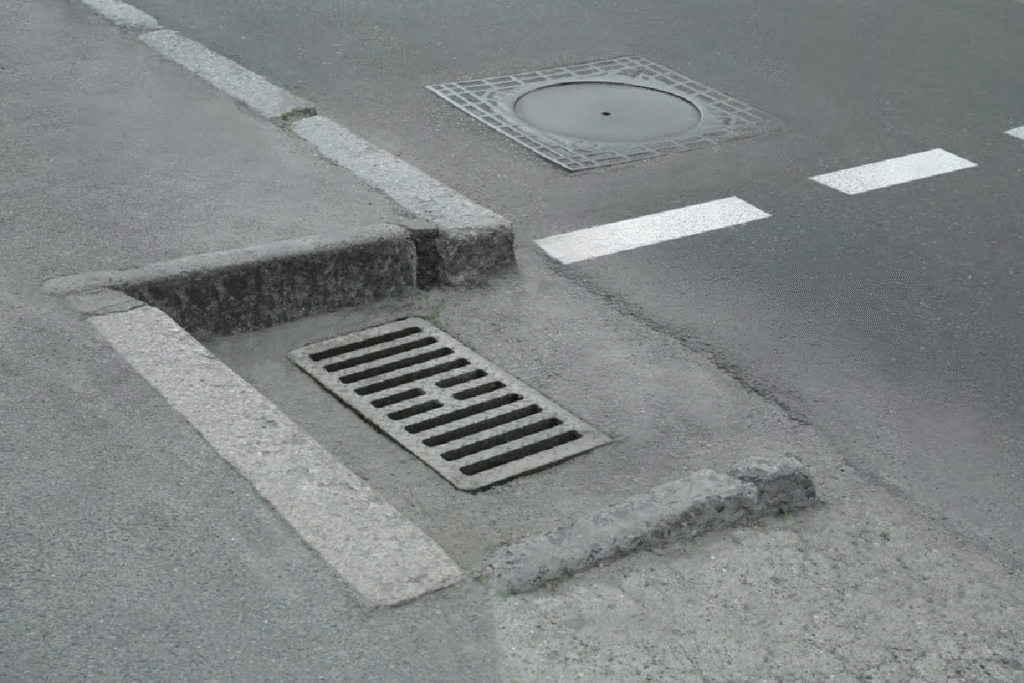
Why Proper Drainage Is Critical in Asphalt Pavement Design
Water is often called the universal solvent—and when it comes to asphalt pavement, it’s the number one enemy. No matter how strong or well-constructed your roadway is, if water can’t drain properly, the pavement’s life will be cut short. That’s why smart drainage planning isn’t optional—it’s foundational.
When water seeps into asphalt, it doesn’t just stay on the surface. It travels downward, weakening the base layers that give the pavement its strength. Over time, the subgrade erodes, leading to cracks, potholes, and eventually complete failure. Poor drainage accelerates wear-and-tear and drives up maintenance costs.
Proper drainage begins long before paving begins. The design phase must take topography, soil type, water flow, and even climate into account. A flat parking lot in a rainy area? That’s a recipe for standing water unless built with adequate slope and runoff systems.
Engineers often design roads with a cross slope, typically around 2%, so water naturally runs off toward curbs or shoulders. In parking lots or larger areas, longitudinal slopes guide water toward storm drains. The smoother and more precise the grading, the better the surface drains.
Edge drains, French drains, and perforated sub-drain systems are commonly installed beneath the surface to keep water out of the base layer. These invisible heroes capture moisture before it causes structural damage.
In areas with high water tables or poor natural drainage, permeable asphalt is becoming more popular in 2025. These open-graded mixes allow water to pass through the surface and filter into the ground below—reducing runoff and replenishing groundwater. It’s an eco-friendly solution ideal for parking lots, bike paths, and walkways.
But drainage doesn’t stop once construction is complete. Maintenance is critical. Clogged catch basins, filled swales, or eroded shoulders prevent water from exiting the pavement system properly. Routine inspections and cleaning keep everything flowing smoothly.
Sealcoating every few years also helps. While primarily for surface protection, a fresh coat helps prevent small cracks where water likes to sneak in.
For driveways and commercial properties, gutter placement, downspout direction, and even landscaping play roles in keeping water off the asphalt. Directing stormwater away from paved surfaces protects both the structure and the aesthetics.
And here’s the bottom line: Every dollar spent on drainage saves you five in repairs. That’s not an exaggeration. Poorly drained pavement may last 5–7 years. Well-drained pavement can easily last 20+ with regular care.
In 2025, the industry is moving toward holistic infrastructure—where asphalt, grading, stormwater systems, and landscape planning all work together. It’s not just about laying blacktop anymore—it’s about building smarter, more resilient roadways. Because in the world of asphalt construction, staying dry is staying strong.