
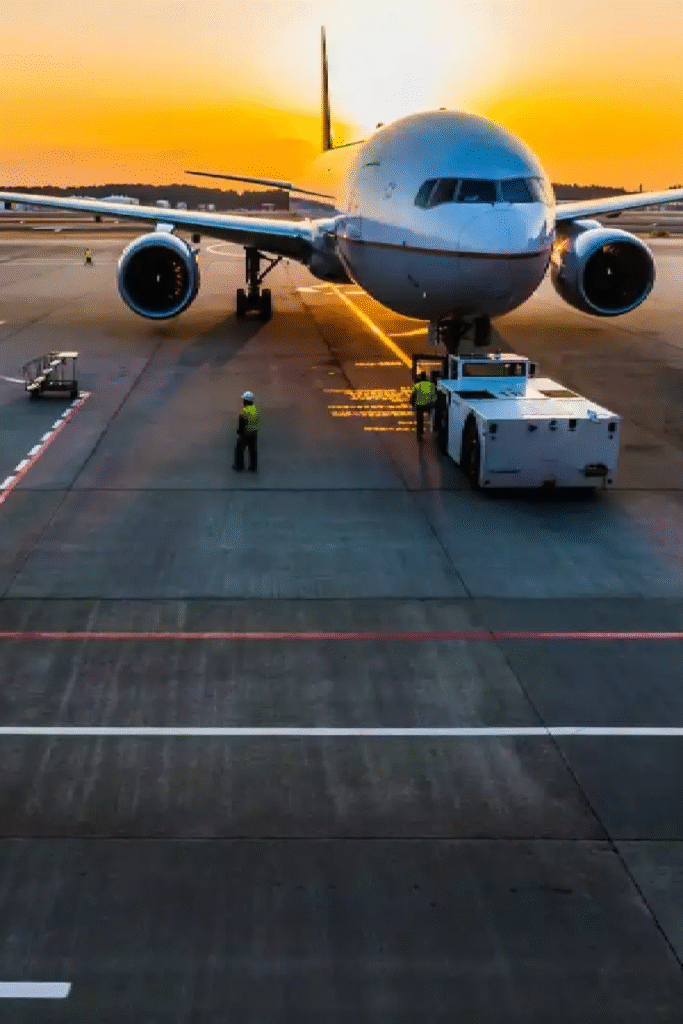
Why Asphalt Is the Preferred Material for Airport Runways
Airports push materials to the limit. With aircraft weighing hundreds of tons and safety margins tighter than anywhere else, runway design demands a surface that’s strong, flexible, and easy to maintain. Asphalt checks all those boxes—and then some.
One major advantage is smoothness. Takeoffs and landings require seamless transitions to minimize stress on aircraft tires and landing gear. Asphalt’s uniform texture helps reduce vibration and improves braking distance, making it the safer choice.
Asphalt is also more forgiving. Unlike concrete, it flexes slightly under load, which prevents cracking and accommodates temperature changes. This flexibility is critical in regions with freeze-thaw cycles or intense summer heat.
Maintenance is another win. Asphalt runways can be milled and resurfaced in phases, often overnight, to avoid closing down critical operations. When delays cost thousands of dollars per minute, that kind of speed is priceless.
Add to that asphalt’s compatibility with LED lighting, smart sensors, and high-friction surfacing, and it’s clear why it’s the material of choice at major airports worldwide.
From regional runways to global hubs, asphalt delivers the performance and adaptability needed to keep aviation running on time.