
What Is Asphalt Pavement? Benefits, Lifespan and Modern Applications
Understanding Asphalt in Today’s Infrastructure
Asphalt pavement plays a foundational role in our daily lives. From highways and airport runways to parking lots and driveways, this black composite material quietly supports modern civilization. However, in 2025, asphalt isn’t just the go-to choice for practicality—it’s evolving into a sustainable, high-performance solution that meets the needs of fast-growing cities and climate-conscious construction.
As infrastructure ages and transportation demands rise, engineers are turning to asphalt not only for its durability but also for its adaptability. This blog explores what asphalt pavement truly is, what makes it the preferred surface material worldwide, and how it’s being redefined through innovation and sustainability.
What Exactly Is Asphalt Pavement?
At its core, asphalt pavement is a mixture of mineral aggregates (like crushed stone, sand, and gravel) bound together by a sticky, black petroleum-based material called bitumen. This binder holds the aggregate together, forming a cohesive and flexible surface that can withstand weather, traffic, and time.
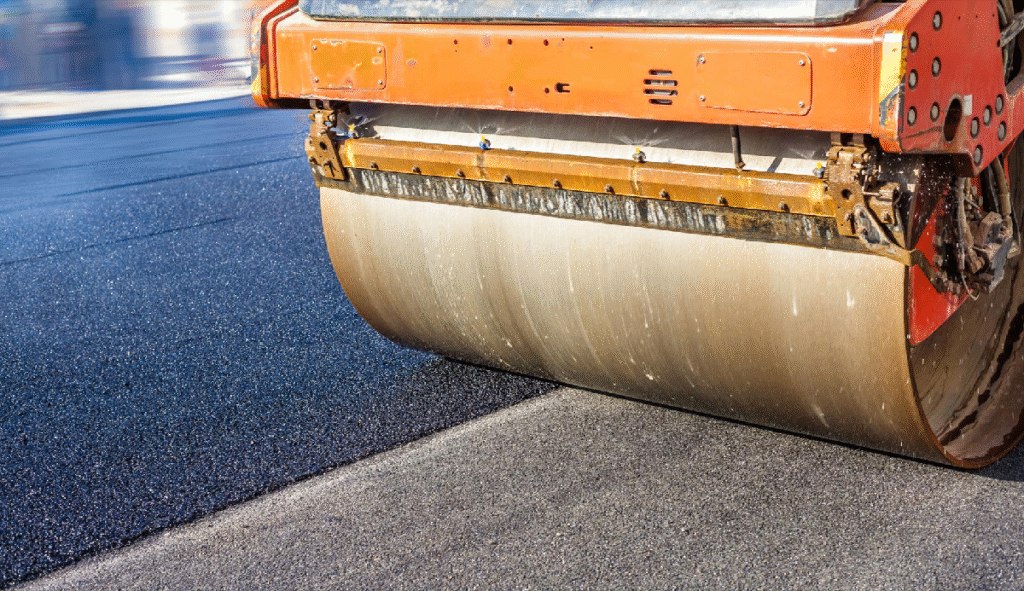
When laid down in layers and compacted properly, this mixture forms a smooth and robust roadway capable of absorbing shock and distributing loads evenly. There are various types of asphalt mixtures—such as Hot Mix Asphalt (HMA), Warm Mix Asphalt (WMA), and Cold Mix Asphalt—each tailored to specific climate conditions and usage patterns.
Modern asphalt also includes additives, recycled materials, and modifiers that enhance performance, increase lifespan, and reduce environmental impact.
Key Benefits That Keep Asphalt in Demand
1. Cost Efficiency
Asphalt remains one of the most cost-effective paving solutions available. It’s cheaper to install than concrete and can often be laid faster, which reduces labor costs and traffic disruptions. For municipalities and private developers alike, this efficiency is a significant advantage.
2. Quick Installation and Repair
Unlike other pavement types that require extended curing times, asphalt can be laid, compacted, and opened to traffic within hours. This rapid construction ability is critical for high-traffic areas where prolonged closures aren’t feasible.
3. Smooth and Safe Driving Surface
The inherent flexibility of asphalt results in smoother surfaces, reducing wear on vehicles and minimizing noise pollution. Its dark color also helps snow and ice melt faster in colder climates, improving winter driving conditions.
4. Highly Recyclable
Perhaps one of its most impressive traits is recyclability. Asphalt is the most recycled material in the U.S.—over 90% of reclaimed asphalt is reused. In 2025, this makes asphalt an environmentally conscious option that aligns with green building goals.
5. Longevity with Proper Maintenance
A well-designed and properly maintained asphalt road can last between 15 to 30 years. Timely interventions like sealcoating, crack filling, and resurfacing significantly extend the life of the pavement.
What Affects the Lifespan of Asphalt?
Despite its resilience, asphalt isn’t immune to damage. Its lifespan is determined by several factors:
Traffic Load: Heavier traffic, especially from trucks and buses, accelerates wear and tear.
Climate Conditions: Freeze-thaw cycles, intense UV exposure, and heavy rainfall can degrade the pavement over time.
Subgrade Preparation: A stable, well-compacted foundation ensures even load distribution and prevents early cracking.
Drainage Design: Water is asphalt’s enemy. Poor drainage leads to infiltration, weakening the base and causing potholes.
Mix Design and Materials: High-quality aggregate and proper binder selection tailored to the local climate are crucial for durability.
With preventive maintenance and periodic overlays, many asphalt roads can surpass their expected design life, reducing the need for total reconstruction.
Innovations in Asphalt You Should Know About
As the industry advances, asphalt technology continues to evolve. These modern developments are reshaping how roads are designed, built, and maintained in 2025.
Warm Mix Asphalt (WMA)
WMA allows asphalt to be produced and laid at lower temperatures than traditional HMA. This leads to reduced greenhouse gas emissions, lower fuel consumption, and improved worker safety.
Recycled Asphalt Pavement (RAP)
Using RAP not only lowers material costs but also conserves natural resources and diverts waste from landfills. Today’s plants can integrate high percentages of RAP without compromising performance.
Perpetual Pavement Design
Perpetual pavement involves constructing roads with durable base and intermediate layers that last indefinitely. Only the top layer is periodically replaced, minimizing cost and environmental impact over time.
Smart Pavement Technologies
Sensors embedded in asphalt are now being tested to monitor road temperature, moisture, and traffic. This data helps cities respond to maintenance needs proactively and improve overall traffic management.
Where Asphalt Fits in Modern Urban Planning
In 2025, urban development isn’t just about building fast—it’s about building smart. Asphalt plays a vital role in this strategy by offering sustainable, adaptable, and resilient infrastructure options.
From airport runways that demand high performance to quiet suburban streets requiring aesthetic appeal and reduced tire noise, asphalt meets a diverse range of applications. It’s even being used creatively in bike paths, walkways, and porous surfaces for water management in flood-prone cities.
As smart cities grow, asphalt is proving it’s more than just pavement—it’s part of a larger ecosystem that supports safety, sustainability, and long-term savings.
Why Asphalt Still Leads the Way
The numbers speak for themselves. Asphalt covers over 94% of paved roads in the United States and continues to be the leading surface material globally. Its success lies in its adaptability—engineers can modify its composition, tweak its performance, and reuse it almost endlessly.
In 2025, asphalt remains not only relevant but essential. It balances economics, environmental responsibility, and engineering performance like no other material in the construction world.