
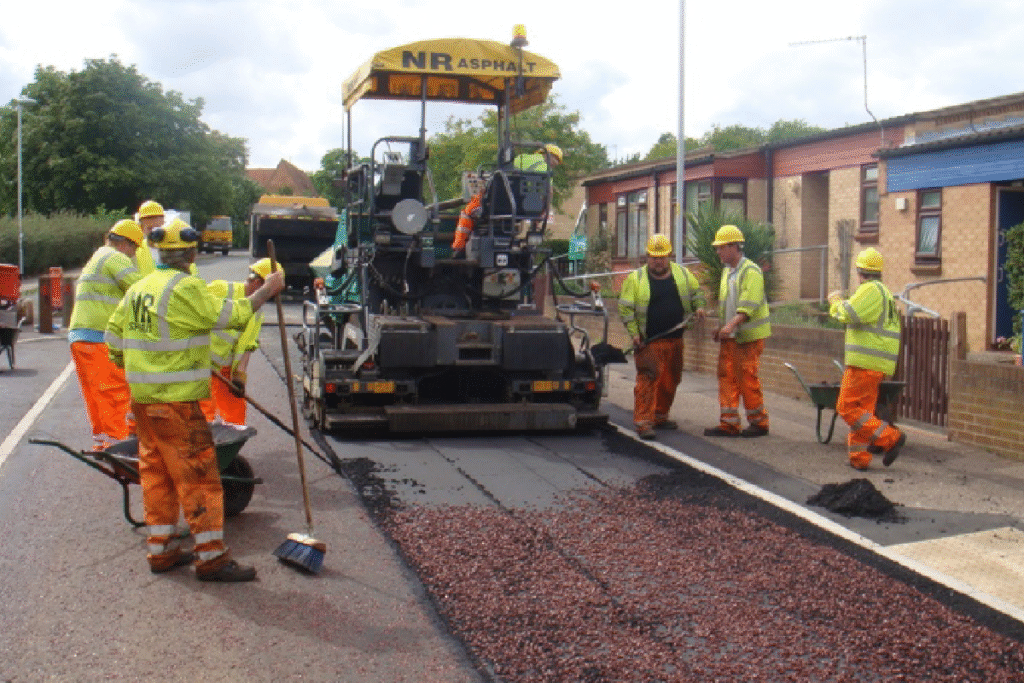
Understanding Asphalt’s Role in Sustainable Urban Development
Cities today are rethinking the future—not just in terms of green spaces and smart buildings, but also in the materials beneath our feet. Asphalt, traditionally seen as just blacktop, is playing a surprisingly progressive role in sustainable urban development.
It starts with recyclability. Asphalt is the most recycled material in the U.S.—even more than aluminum. Old roads aren’t thrown away; they’re milled, reheated, and repaved. This process, called RAP (Reclaimed Asphalt Pavement), reduces demand for new aggregate and bitumen, lowers emissions, and cuts costs significantly.
But sustainability isn’t just about recycling. It’s also about performance. Modern cities are moving toward Warm Mix Asphalt (WMA), which is produced at lower temperatures than traditional hot mix. WMA uses less fuel, emits fewer greenhouse gases, and allows longer transportation distances—ideal for sprawling metro areas.
Then there’s porous asphalt, which allows water to seep through its surface instead of running off. In a world of climate change, where urban flooding is more common, porous pavements help reduce strain on stormwater systems. They replenish groundwater and minimize flash flooding during heavy rainfall.
Another win? Asphalt supports multi-modal transportation. Whether it’s bike lanes, pedestrian trails, or bus corridors, asphalt’s smooth finish, quick installation, and repairability make it ideal for urban zones where space is shared between cars, buses, cyclists, and walkers.
In 2025, many cities are combining cool pavement technology with asphalt overlays. These pavements reflect more sunlight and stay cooler than traditional surfaces—helping reduce the urban heat island effect. This keeps surrounding areas more livable, especially in hot climates.
Sustainability also means resilience. Asphalt is fast to repair after natural disasters. In cities hit by hurricanes or earthquakes, asphalt roads bounce back quickly—restoring access to hospitals, shelters, and schools.
All this makes asphalt more than a material. It’s a tool for sustainable growth. For urban planners, builders, and municipalities, choosing asphalt is no longer just about budget—it’s about building a better future from the ground up.