
The Lifecycle of Asphalt: From Installation to Renewal
Understanding the lifecycle of asphalt helps property owners, developers, and municipalities make informed decisions that extend pavement life and reduce long-term costs. It’s not just about laying blacktop—it’s about managing a living surface.
It starts with design. A successful asphalt project begins beneath the surface, with proper grading, soil testing, and drainage planning. If the foundation isn’t strong, even the best surface will fail. Then comes material selection. Engineers choose asphalt mixes based on traffic load, climate, and durability goals.
Installation is where everything comes together. Crews compact the subbase, apply binder layers, and finish with a surface course. When done right, asphalt cures quickly and can handle traffic within 24–48 hours.
In the first few years, asphalt is at its strongest. But small cracks and surface wear begin to show. That’s when preventive maintenance steps in—crack sealing, patching, and sealcoating help protect the pavement from moisture and oxidation.
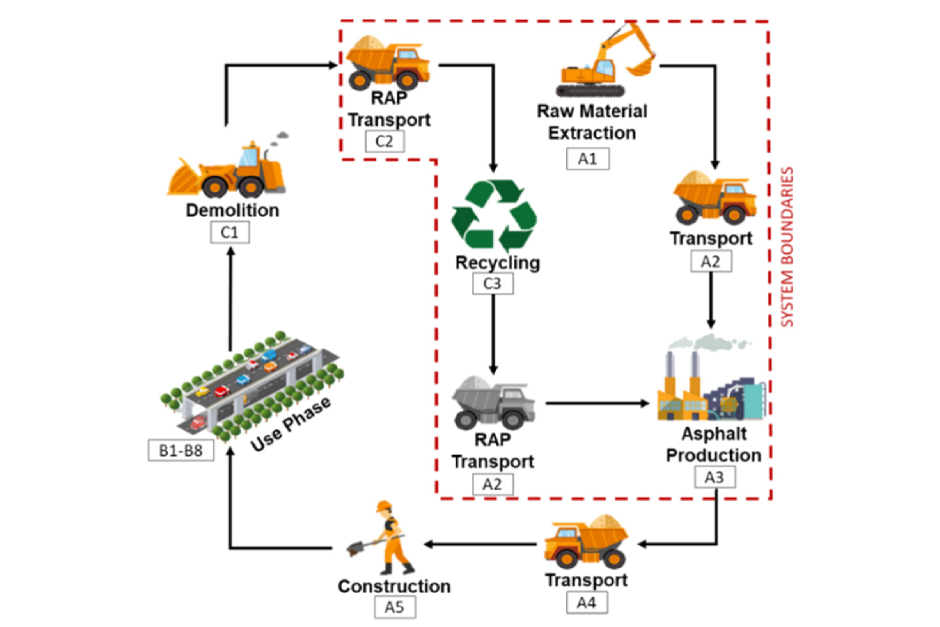
As the pavement ages (10–15 years), resurfacing may be needed. Milling the top layer and adding a fresh coat can add another decade to its life. Eventually, every road reaches a point where full-depth reclamation or complete replacement is necessary. But here’s the good news: old asphalt isn’t wasted—it’s recycled into new projects, closing the loop on the pavement lifecycle.
Managing this cycle well means safer roads, smarter spending, and fewer disruptions. It’s not just about building something new—it’s about planning for its full journey.