
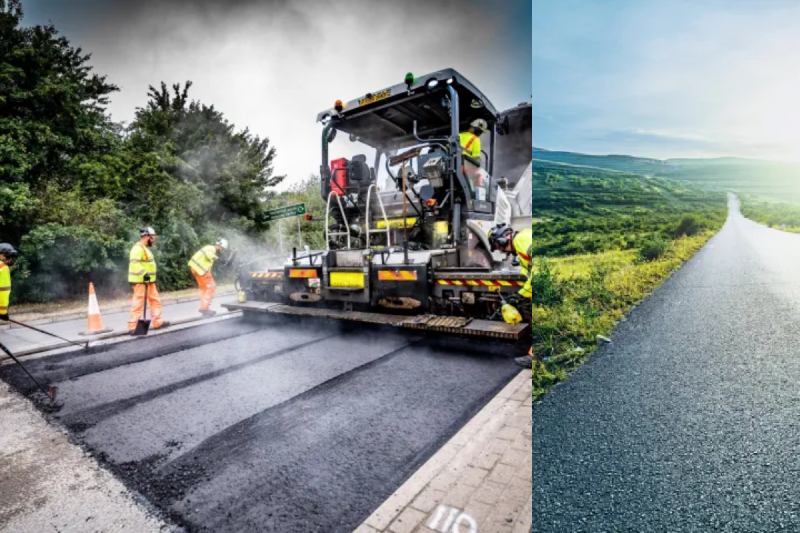
Revamping Interstate 84 – A Model for Sustainable Highway Resurfacing
Interstate 84, a critical transportation artery connecting rural towns to metropolitan hubs, had been grappling with surface deterioration, potholes, and uneven road texture after years of heavy freight and commuter traffic. Traditional repair methods had failed to yield lasting results, prompting the state’s Department of Transportation to explore a more durable and sustainable solution.
The Challenge
The highway’s pavement distress was accelerating due to:
- Heavy truckloads exceeding the weight capacity in certain sections.
- Seasonal freeze-thaw cycles cause cracks to widen and deepen.
- Inefficient drainage systems that allowed water to seep into sublayers.
Routine patchwork repairs were leading to recurring maintenance costs, safety hazards, and traffic delays.
The Solution
Engineers proposed a full-depth reclamation (FDR) approach, combining recycled asphalt pavement (RAP) with new asphalt binder and modifiers for enhanced durability. The project also implemented high-performance polymer-modified asphalt (PMA) to withstand heavy loads and extreme temperature variations.
Key steps included:
- Milling the existing surface to recover usable aggregates.
- Stabilizing the base with cement and asphalt emulsions for strength.
- Paving with PMA to extend surface life and improve skid resistance.
- Upgrading drainage systems to prevent water infiltration.
The Results
- 40% Cost Savings compared to complete reconstruction.
- 60% Reduction in maintenance interventions over the next five years.
- Enhanced Ride Quality with smoother transitions and noise reduction.
- Lower Carbon Footprint through recycling over 75% of the existing pavement.
The I-84 resurfacing not only restored the highway’s structural integrity but also became a benchmark for sustainable road rehabilitation. The project demonstrated that integrating modern materials and recycled resources can extend a highway’s service life while minimizing environmental impact.