
Pennsylvania’s Rural Road Rescue – Tackling Freeze-Thaw Damage
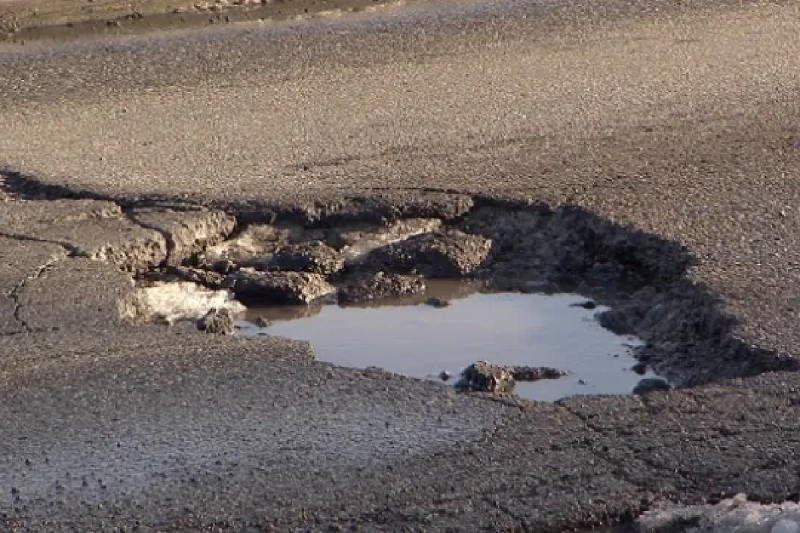
In Pennsylvania’s northern counties, rural highways often suffer from one of pavement’s greatest enemies — freeze-thaw cycles. The SR-49 stretch had deteriorated so badly that heavy trucks were forced to slow to a crawl, creating safety hazards and economic delays. Traditional mill-and-fill resurfacing had been tried before but failed within a few years.
Engineers decided to approach the problem from the ground up. The old pavement was removed down to the subgrade, where geotechnical tests revealed moisture-trapping clay layers. To fix this, crews installed geosynthetic stabilization fabrics and applied a thick layer of free-draining aggregate before rebuilding the base with warm-mix asphalt to lower carbon emissions.
What made this project stand out was the integration of permeable shoulder designs — allowing meltwater to drain quickly instead of seeping under the roadbed. Local quarries supplied aggregates to reduce transport costs, and recycled asphalt pavement (RAP) made up 30% of the mix.
Now, even after two harsh winters, the highway shows minimal cracking, and trucking companies report faster delivery times. The Pennsylvania DOT estimates annual maintenance savings of nearly $500,000 on this one corridor alone.