
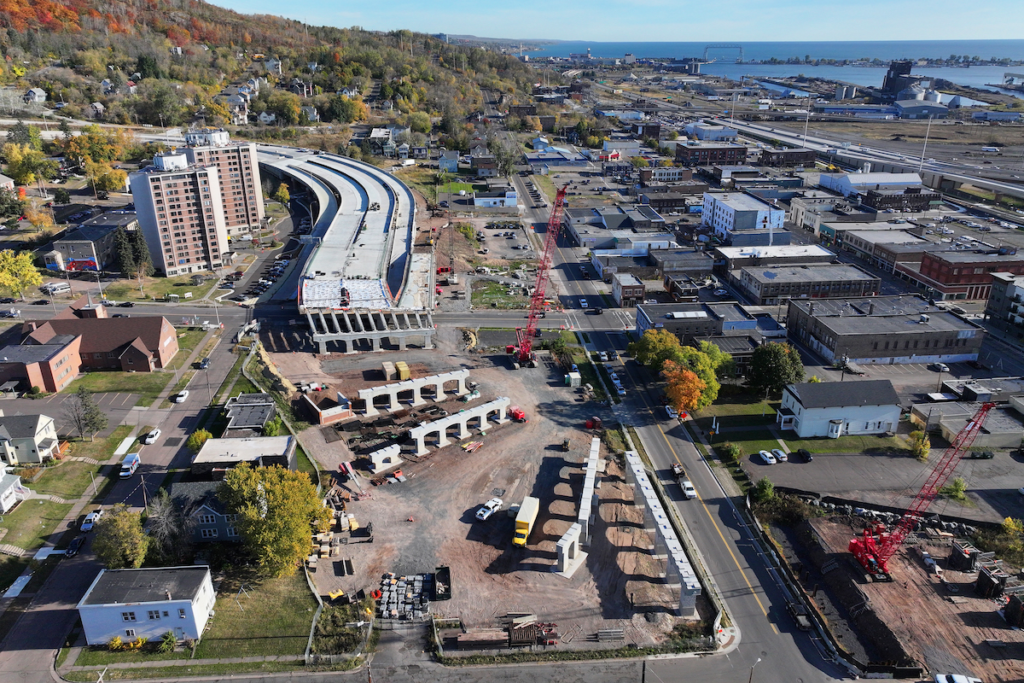
Minnesota’s Twin Cities Embark on Comprehensive Roadway and Multimodal Infrastructure Upgrades
The Minneapolis-St. Paul metropolitan area is witnessing a transformative 2025 construction season as the Minnesota Department of Transportation (MnDOT) advances a portfolio of critical projects designed to enhance mobility, safety, and multimodal access.
Key among these is the extensive resurfacing work on Highway 55, which improves pavement durability with high-performance asphalt mixes designed to withstand winter freeze-thaw cycles. Additionally, bridge decks along major corridors receive structural reinforcement and waterproofing treatments to extend service life. Nighttime lane closures are a regular part of the work schedule to reduce daytime traffic impacts, with MnDOT deploying traffic management strategies including variable message signs and detour alerts.
Notably, MnDOT is simultaneously investing in pedestrian and bicycle infrastructure across the metro region, with new bike lanes, pedestrian crossings, and accessibility improvements on corridors like Highway 36 and County Road 81. These enhancements reflect growing community demand for safer, sustainable travel options and their integration into urban planning frameworks.
The department actively collaborates with local stakeholders, transit agencies, and community groups to ensure projects prioritize equity and accessibility. Public outreach efforts deploy digital platforms and direct notifications to residents regarding construction timelines and expected travel accommodations.
These combined investments position the Twin Cities region for long-term economic growth, environmental sustainability, and enhanced quality of life by fostering a more connected, resilient, and multimodal transportation network.