
Innovations in Asphalt Recycling and Reuse
Recycling isn’t just a household habit—it’s a major movement in construction. Asphalt leads the way, with more than 90 million tons reclaimed every year. But what’s even more exciting are the innovations transforming how asphalt is recycled and reused in 2025.
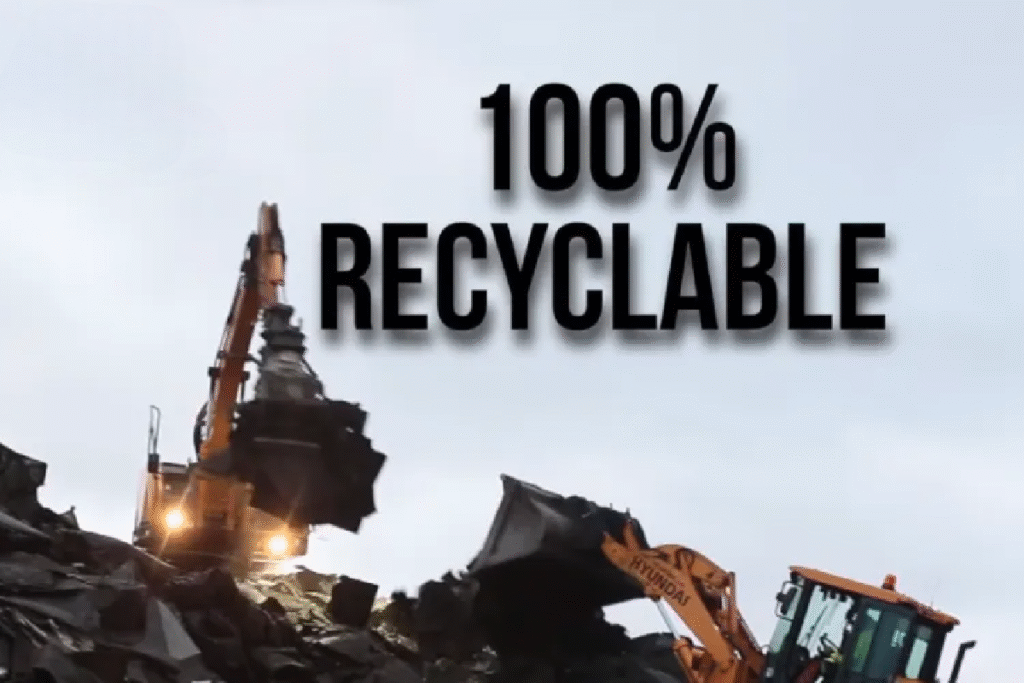
Traditionally, Reclaimed Asphalt Pavement (RAP) involved milling old pavement and mixing it with virgin materials. But now, thanks to improved binders and rejuvenators, we can reuse higher percentages of RAP—sometimes 100%—without sacrificing performance.
Some mixes also incorporate Recycled Asphalt Shingles (RAS) from old roofing materials. These add valuable bitumen content, helping reduce the need for crude oil-based binders. That means lower emissions, lower costs, and less landfill waste.
The rise of in-place recycling is another game-changer. Instead of hauling pavement offsite, machines grind, reheat, and lay it back down immediately. This dramatically cuts down on truck traffic, fuel use, and project timelines.
Cold in-place recycling (CIR) is gaining popularity for rural and low-traffic roads. It uses minimal heat, making it more energy-efficient and cost-effective. The road is rebuilt using its own materials—a perfect loop of sustainability.
One of the most exciting trends is bio-based rejuvenators. These are plant-based oils and esters that bring old asphalt back to life, restoring flexibility and bonding power. They’re non-toxic, renewable, and highly effective.
In 2025, recycling is about more than reusing old pavement. It’s about circular infrastructure—roads that feed themselves, projects that lower their footprint, and materials that evolve with the times.
Recycling asphalt isn’t just smart—it’s the future of sustainable construction.