
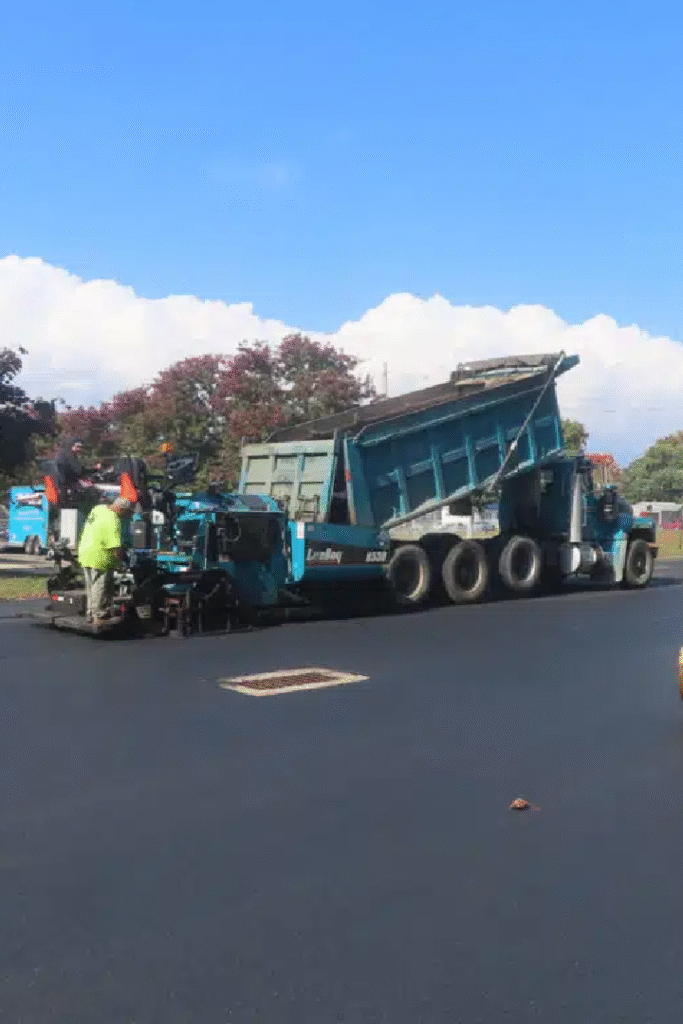
How to Plan and Budget for a Commercial Asphalt Project
When you’re responsible for paving a commercial property—whether it’s a shopping center, industrial facility, or office park—you can’t afford to get it wrong. A good asphalt job doesn’t just offer a smooth surface; it also improves curb appeal, ensures safety, and adds long-term property value. But it all starts with smart planning and realistic budgeting.
Step one: define the scope. Are you building from scratch or resurfacing an existing lot? Are you dealing with large trucks or just passenger vehicles? The answers to these questions help determine asphalt thickness, load-bearing requirements, and drainage needs.
Then comes the site survey. A reputable contractor will evaluate soil quality, drainage flow, existing pavement conditions, and traffic patterns. If the soil is too soft or unstable, it may require undercutting or geotextile stabilization—both of which affect cost.
Budgeting is more than just asphalt. It includes excavation, grading, base materials, compaction, curbing, line striping, signage, ADA compliance, and sometimes stormwater solutions. As of 2025, the average commercial paving cost ranges from $2.50 to $6 per square foot—but that number can go up based on complexity and material upgrades.
One often-overlooked factor is downtime. A commercial property loses money every hour it’s inaccessible. That’s where asphalt shines—it cures fast. You can typically reopen driveways and lots within 24–48 hours. Weekend or overnight paving may cost a bit more but keeps your operations running.
Don’t skip the legal side. Permits, zoning approvals, drainage studies, and ADA regulations must be handled before breaking ground. Failing to plan here can delay your timeline and inflate your costs.
Another key element: maintenance planning. Budgeting for periodic sealcoating, crack filling, and annual inspections extends the lifespan of your asphalt and avoids massive future repairs. Smart property managers treat pavement as a long-term investment with recurring upkeep, not a one-time job.
Want an edge in 2025? Ask your contractor about 3D site mapping and drone surveys. These technologies improve project accuracy, reduce guesswork, and help spot drainage or grading problems before they become real headaches. Bottom line: a solid asphalt project comes down to preparation. If you take the time to plan for both construction and ongoing care, you’ll get a result that looks good, lasts long, and saves money down the road.