
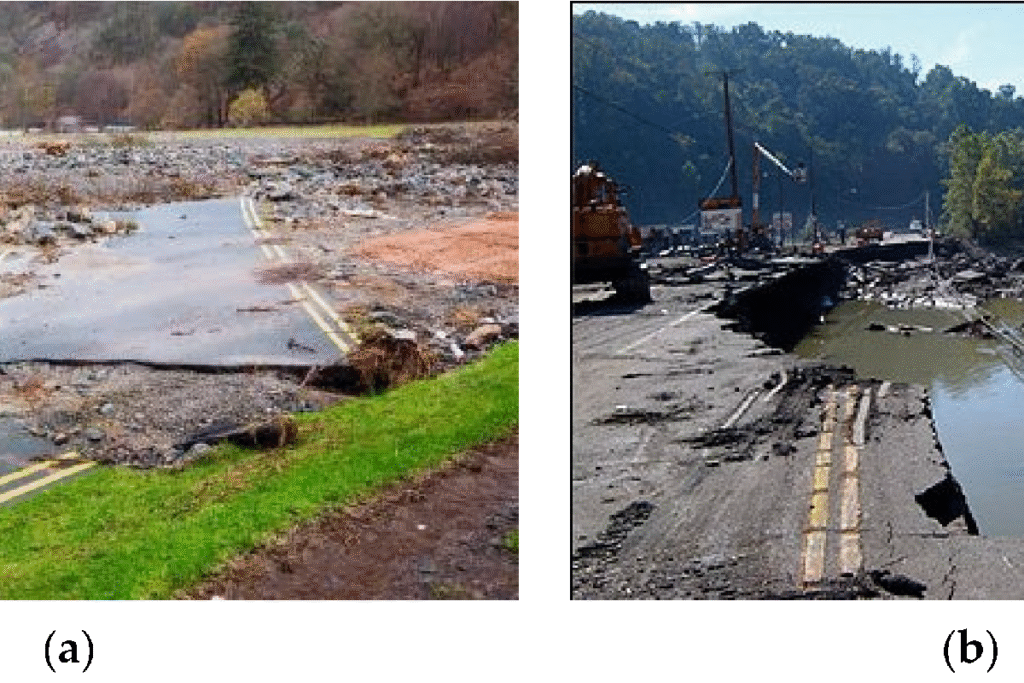
How Asphalt Supports Emergency and Disaster Relief Infrastructure
In emergencies, every second matters. Whether it’s an earthquake, wildfire, or hurricane, accessibility is everything. Roads, landing zones, evacuation routes—they all need to be ready at a moment’s notice. That’s where asphalt proves its quiet strength.
The first advantage? Speed. Asphalt can be installed or repaired within hours, not days. In disaster-struck areas, mobile asphalt plants can produce and lay pavement onsite—restoring critical access to hospitals, supply chains, or shelters.
Asphalt is flexible—literally. It adjusts to soil movement during earthquakes or floods without shattering like concrete. This flexibility helps maintain usable roads even after natural disruptions.
Many emergency relief plans now include asphalt-based infrastructure: helipads, mobile medical center pads, relief distribution centers, and emergency parking lots. The dark surface helps with night visibility and heat retention for cold zones.
New smart asphalt tech even plays a role in resilience. In 2025, cities are integrating heat sensors, moisture alerts, and AI-powered monitoring into pavement to spot vulnerabilities before they become failures.
After a disaster, asphalt is faster to restore. Milling and resurfacing can bring damaged roads back online quickly, without major reconstruction. And recycled asphalt helps lower cost and speed up deployment when budgets are tight. In an emergency, every road becomes a lifeline. Asphalt doesn’t just support transportation—it supports survival. Whether it’s fire trucks reaching the front lines or families evacuating safely, asphalt ensures the way is clear when it matters most.