
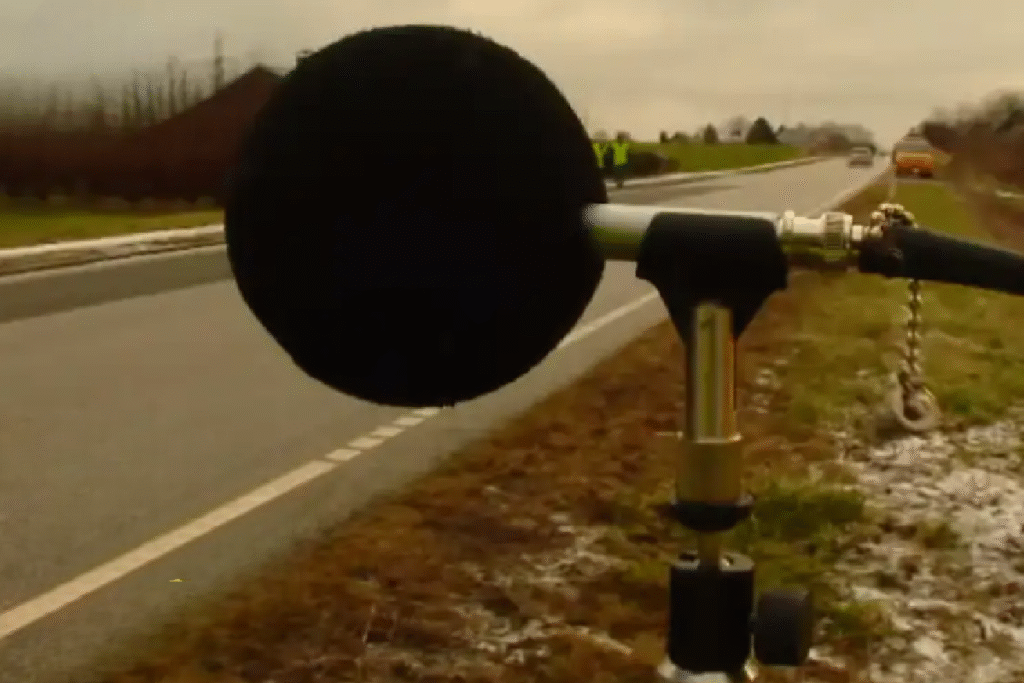
How Asphalt Enhances Roadway Noise Reduction
When people think about noise pollution, they often picture blaring horns or loud construction sites. But there’s another silent culprit: road noise. The sound generated when tires roll over pavement can reach 75–80 decibels—a constant hum that affects millions living near highways. Fortunately, asphalt offers a smart, affordable solution.
Noise reduction begins with asphalt texture. Unlike rigid pavement surfaces like concrete, asphalt is naturally quieter due to its flexibility and smoother surface finish. It absorbs more of the sound energy created by tire-pavement interaction.
Open-graded asphalt mixes—a technique where larger aggregate and fewer fine particles are used—further reduce sound levels. These porous surfaces trap and dissipate sound waves rather than bouncing them back into the air. They also help with water drainage, reducing hydroplaning risk.
Modern highway projects in 2025 increasingly specify noise-reducing asphalt overlays. These are designed not only for performance and longevity but for community wellbeing. For neighborhoods close to busy freeways, the reduction can be as much as 3–5 decibels—a noticeable difference to the human ear.
In urban areas, quiet asphalt also improves walkability. Less traffic noise means more comfortable environments for pedestrians, cyclists, and public transit users. Retail districts, school zones, and hospital areas particularly benefit from this quieter road profile.
Maintenance also plays a role. A freshly paved asphalt surface offers the smoothest and quietest experience. As pavement ages and roughens, noise levels increase. That’s why regular resurfacing not only boosts performance—it keeps the peace.
When combined with thoughtful urban design, noise-reducing asphalt is a powerful tool. It lessens the need for expensive sound walls, reduces stress-related health risks, and improves quality of life for people living near major roadways.
In the end, quieter roads don’t just sound better—they live better. And asphalt is paving the way.