
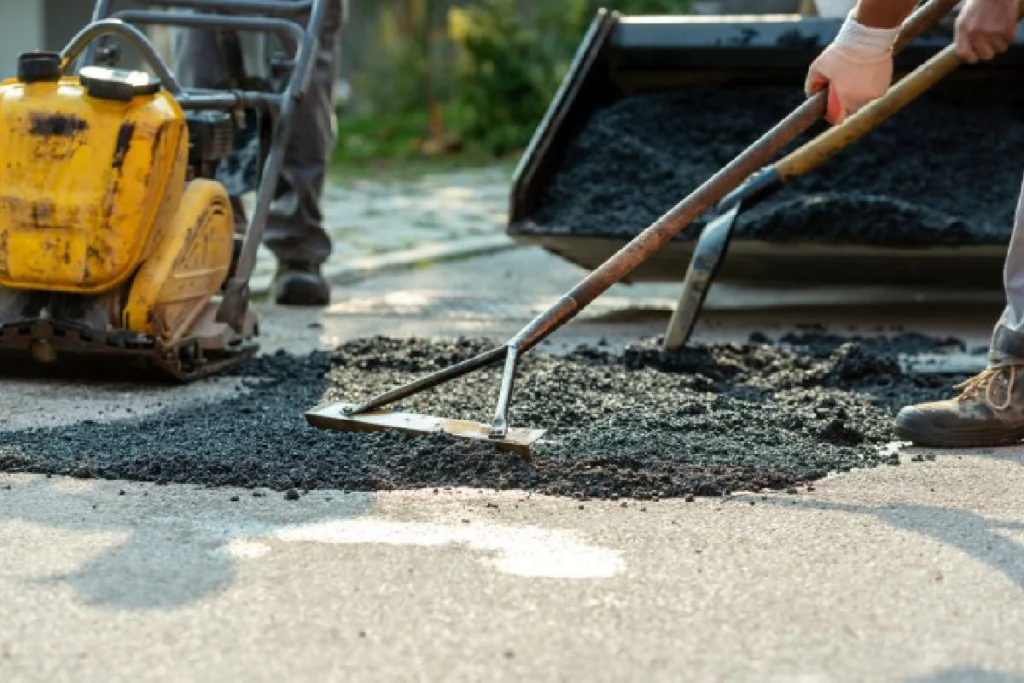
Asphalt Pavement Rehabilitation Techniques
Asphalt pavements are subjected to continuous stress from traffic, weather, and aging. Over time, even well-constructed roads can develop distresses such as cracking, rutting, potholes, and surface wear. Rehabilitation is a critical step in restoring structural integrity, improving safety, and extending pavement life.
This white paper explores modern asphalt pavement rehabilitation techniques, their applications, benefits, and cost-effectiveness for municipalities, contractors, and road engineers.
Understanding Pavement Rehabilitation
Pavement rehabilitation involves structural or functional restoration of existing asphalt pavements to prolong service life. Unlike routine maintenance, which addresses minor surface issues, rehabilitation focuses on significant distress or structural weaknesses.
Rehabilitation strategies are selected based on:
Severity and type of pavement distress
Remaining service life
Traffic loads and environmental conditions
Budget and long-term planning
Common Asphalt Pavement Distresses Requiring Rehabilitation
Cracking – Longitudinal, transverse, and alligator cracking due to fatigue, thermal stress, or subgrade failure.
Rutting – Wheel path depressions caused by heavy loads and asphalt deformation.
Potholes – Localized collapses from weakened subgrade or water infiltration.
Surface Wear and Raveling – Aggregate loss and oxidation reducing skid resistance.
Structural Failures – Subgrade or base layer weaknesses compromising load-bearing capacity.
Rehabilitation Techniques
1. Mill-and-Overlay
Involves milling the top layer of asphalt and replacing it with new material.
Restores surface smoothness and skid resistance.
Effective for moderate surface distress without significant structural failure.
Benefits: Quick, cost-effective, and compatible with traffic continuation.
2. Full-Depth Reclamation (FDR)
Pulverizes existing asphalt and base layers for structural improvement.
Stabilizes recycled material with asphalt emulsion or cement and applies a new overlay.
Ideal for roads with severe structural distress or heavy traffic.
Benefits: Reduces cost, extends pavement life, and promotes sustainability by recycling materials.
3. Hot In-Place Recycling (HIR)
Heats the existing asphalt surface, milling, rejuvenating, and relaying it on-site.
Addresses surface distress without adding virgin materials.
Benefits: Energy-efficient, reduces construction time, and maintains traffic flow.
4. Cold In-Place Recycling (CIR)
Similar to HIR but performed at ambient temperatures using emulsified or foamed asphalt.
Recycled material is relaid and compacted as a base or intermediate layer.
Suitable for roads requiring structural strengthening with minimal environmental impact.
5. Surface Treatments
Slurry Seal or Micro-Surfacing – Thin overlays that fill minor cracks and improve skid resistance.
Chip Seal – Protects the surface from oxidation and enhances durability.
Best for preventive rehabilitation on pavements with early-stage distress.
6. Asphalt Rubber and Polymer-Modified Overlays
Incorporates rubber or polymers into new asphalt layers for enhanced performance.
Improves rutting resistance, flexibility, and lifespan, particularly in high-traffic or extreme climates.
Factors to Consider in Rehabilitation
Pavement Condition Assessment
Conduct visual inspections, FWD testing, and GPR analysis to determine distress severity and structural needs.
Traffic Management
Plan rehabilitation to minimize lane closures and traffic disruption.
Material Selection
Use high-quality asphalt binders, recycled materials, and additives suitable for local climatic and traffic conditions.
Cost-Effectiveness
Perform Life-Cycle Cost Analysis (LCCA) to balance upfront costs with long-term maintenance savings.
Environmental Considerations
Reuse RAP (Reclaimed Asphalt Pavement) and industrial byproducts to reduce environmental footprint.
Benefits of Asphalt Pavement Rehabilitation
Extended Pavement Life – Proper rehabilitation can add 10–20 years to pavement lifespan.
Improved Safety – Smooth surfaces, enhanced skid resistance, and reduced potholes improve driver safety.
Cost Savings – Rehabilitation is generally cheaper than full reconstruction while achieving similar durability.
Sustainability – Recycling asphalt materials reduces landfill waste and conserves natural resources.
Traffic Continuity – Techniques like HIR and CIR allow partial traffic flow, minimizing disruption.
Case Studies
United States – Florida
Highways with rutting and alligator cracking were treated using mill-and-overlay and polymer-modified asphalt overlays.
Result: Extended service life by 12 years and reduced rutting-related complaints by 60%.
Europe – Netherlands
Urban roads with severe structural distress underwent full-depth reclamation with foamed asphalt.
Result: Strong, durable pavements with reduced rehabilitation frequency and cost savings of 30%.
Asia – India
City streets suffering from potholes and surface wear were rehabilitated using infrared asphalt repair and cold in-place recycling.
Result: Quick reopening of roads and significant reduction in recurring potholes.
Conclusion
Asphalt pavement rehabilitation is a strategic investment that ensures roads remain safe, durable, and cost-effective. Selecting the right technique—whether surface treatments, in-place recycling, or full-depth reconstruction—depends on distress type, traffic, and environmental factors.
Modern rehabilitation approaches, combined with quality materials, performance monitoring, and sustainable practices, provide long-lasting pavements that optimize budgets, reduce maintenance frequency, and improve road safety. Proactive rehabilitation is essential for maintaining reliable and resilient road networks that meet the demands of modern transportation.