
Asphalt Pavement Recycling and Sustainability Practices
The asphalt industry is at a crossroads. With rising demand for road construction and resurfacing, combined with environmental concerns, sustainability has become a critical focus. Recycling asphalt pavements not only reduces environmental impact but also cuts costs, conserves resources, and enhances pavement performance.
This white paper explores asphalt recycling methods, sustainability practices, and the economic and environmental benefits of green pavement strategies.
Why Asphalt Recycling Matters
Asphalt is the most recycled material in the world, with millions of tons of reclaimed asphalt pavement (RAP) reused annually. Recycling addresses several critical challenges:
- Environmental Impact
- Reduces the need for virgin aggregates and petroleum-based binders.
- Minimizes waste sent to landfills.
- Lowers greenhouse gas emissions from production and transport.
- Economic Efficiency
- Reduces material and transportation costs.
- Extends the life of asphalt plants and equipment.
- Allows for faster project completion with less new material required.
- Performance Benefits
- Modern RAP mixes maintain or even improve pavement performance.
- Advanced recycling methods create durable, rut-resistant surfaces.
Methods of Asphalt Pavement Recycling
1. Hot In-Place Recycling (HIR)
- Asphalt pavement is heated, milled, and immediately relaid on the same road section.
- Requires no new asphalt or minimal virgin materials.
- Suitable for roads with surface distress but structurally sound bases.
- Benefits: Reduces cost, emissions, and construction time.
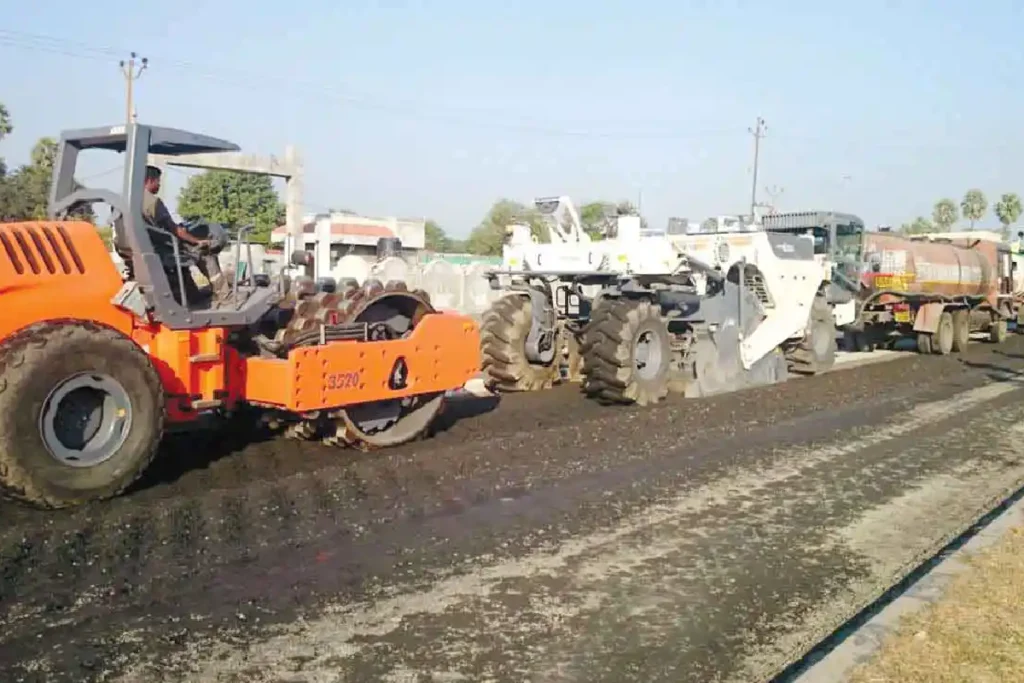
2. Cold In-Place Recycling (CIR)
- Pavement is milled and mixed with emulsified asphalt or foamed asphalt at ambient temperatures.
- Relayed as a base layer for new pavement.
- Energy-efficient, with lower emissions than hot methods.
- Ideal for roads requiring structural strengthening without complete reconstruction.
3. Full-Depth Reclamation (FDR)
- Involves recycling the entire asphalt layer and underlying base.
- Pulverized material is stabilized with asphalt emulsion or cement.
- Creates a strong, reusable base for new asphalt overlay.
- Perfect for heavily distressed or structurally failing roads.
4. Reclaimed Asphalt Pavement (RAP) in New Mixes
- Old asphalt is crushed, screened, and blended into new asphalt mixes.
- RAP content can range from 10–50% without compromising performance.
- Modern mix designs optimize binder content and aggregate gradation to maintain quality.
Sustainable Practices in Asphalt Pavement
1. Warm Mix Asphalt (WMA)
- WMA is produced at lower temperatures, saving fuel and reducing emissions.
- Compatible with RAP, making it both energy-efficient and sustainable.
- Extends paving season in colder climates.
2. Rubberized Asphalt
- Incorporates recycled tires into asphalt mixes.
- Diverts thousands of tires from landfills annually.
- Enhances performance, reduces noise, and improves skid resistance.
3. Use of Industrial Byproducts
- Materials like fly ash, slag, and reclaimed concrete can be integrated into asphalt mixes.
- Reduces reliance on natural aggregates and promotes circular economy principles.
4. Permeable Asphalt Pavements
- Allows water to pass through, reducing runoff and improving urban drainage.
- Supports sustainability goals by reducing flooding and urban heat island effects.
5. Energy-Efficient Asphalt Plants
- Modern plants use natural gas burners, baghouse filters, and automated systems.
- Reduces energy consumption, emissions, and operational costs.
Economic Benefits of Recycling
- Material Savings
- Using RAP reduces the need for virgin aggregates and asphalt binder.
- Lowers overall construction costs by up to 30% in some projects.
- Reduced Transportation Costs
- Recycling on-site or nearby eliminates hauling new materials long distances.
- Extended Pavement Life
- Properly designed recycled asphalt maintains durability and reduces frequency of rehabilitation.
- Faster Project Completion
- Techniques like HIR and CIR minimize downtime, benefiting traffic flow and local economies.
Environmental Impact
- Asphalt recycling significantly reduces greenhouse gas emissions, energy consumption, and natural resource depletion.
- By diverting asphalt and tires from landfills, cities and states promote sustainable waste management.
- Combining RAP with WMA and industrial byproducts creates eco-friendly roads without compromising performance.
Case Studies
United States
- California and Florida have integrated RAP and WMA in highway projects, achieving 20–30% material savings and reduced emissions.
Europe
- Germany and the Netherlands use CIR and FDR techniques extensively, promoting energy efficiency and long-lasting pavements.
Asia
- India and China increasingly adopt RAP and rubberized asphalt in urban and rural road projects to balance cost, performance, and sustainability.
These examples demonstrate that recycled asphalt is viable, cost-effective, and environmentally responsible across diverse regions.
Conclusion
Asphalt pavement recycling and sustainability practices are essential for modern infrastructure. By incorporating recycled materials, warm mix technologies, and eco-friendly additives, road construction projects can achieve durable, cost-effective, and environmentally responsible outcomes. Recycling reduces landfill waste, lowers emissions, and conserves natural resources, proving that sustainable roads are both practical and profitable. With ongoing innovations and government support, recycled asphalt pavements are shaping the future of green infrastructure, ensuring that roads remain safe, resilient, and eco-friendly for decades to come.