
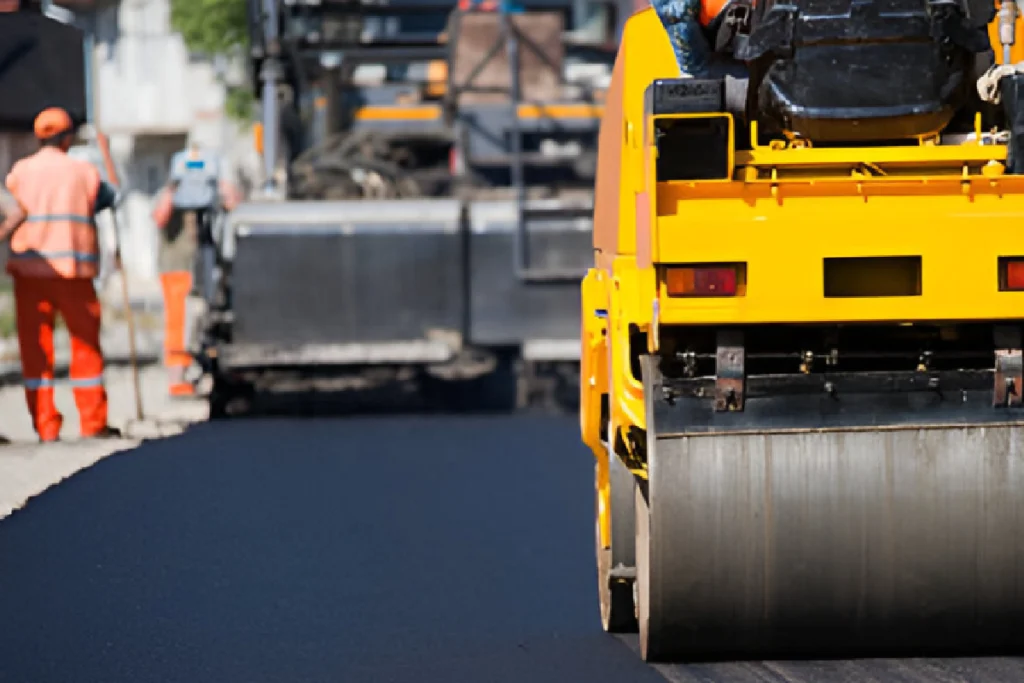
Asphalt Pavement Maintenance Best Practices
Asphalt pavements are a vital part of transportation infrastructure, serving millions of vehicles daily. However, asphalt is subject to wear and tear from traffic, weather, and environmental stress. Proper maintenance is essential to extend pavement life, reduce costs, and ensure safety.
This white paper explores best practices for asphalt pavement maintenance, highlighting strategies, techniques, and economic benefits for municipalities, contractors, and property owners.
Why Maintenance Matters
Neglecting maintenance can lead to accelerated deterioration, costly repairs, and unsafe road conditions. Key reasons to prioritize maintenance include:
- Extending Pavement Life – Regular maintenance delays major repairs and reconstruction.
- Cost Savings – Preventive maintenance is often 4–10 times cheaper than full reconstruction.
- Safety – Smooth, well-maintained pavements reduce accidents and improve driving comfort.
- Environmental Impact – Maintaining pavements reduces the need for new materials, lowering carbon footprint.
Types of Asphalt Pavement Maintenance
1. Preventive Maintenance
Preventive maintenance involves proactive measures to slow pavement deterioration before major damage occurs. Techniques include:
- Crack Sealing – Seals small cracks to prevent water infiltration and further cracking.
- Sealcoating – A protective layer applied to the pavement surface to guard against oxidation, UV damage, and wear.
- Surface Treatments – Slurry seals and micro-surfacing restore smoothness and improve skid resistance.
Benefit: Extends pavement life by 5–10 years with minimal investment.
2. Corrective Maintenance
Corrective maintenance addresses localized pavement distress caused by traffic, weather, or accidents. Techniques include:
- Pothole Repair – Quick fixes using cold or hot asphalt mix.
- Localized Milling and Overlay – Replacing damaged sections while keeping the rest intact.
Benefit: Prevents minor issues from escalating into major rehabilitation projects.
3. Rehabilitation
Rehabilitation involves major repairs or upgrades to restore structural integrity and performance. Methods include:
- Mill and Overlay – Removing the top asphalt layer and applying new material.
- Full-Depth Reclamation (FDR) – Recycling the existing pavement into a strong base for resurfacing.
- Reconstruction – Complete replacement of the pavement layer and sometimes the subgrade.
Benefit: Significantly extends road life, often by 15–20 years.
Maintenance Planning and Scheduling
Effective asphalt maintenance requires strategic planning:
- Regular Inspections
- Identify cracks, potholes, rutting, or drainage issues early.
- Use visual surveys or advanced technologies like laser scanning and drones.
- Prioritization
- Focus on high-traffic areas and critical road sections first.
- Allocate resources based on severity of damage and traffic volume.
- Lifecycle Planning
- Integrate preventive, corrective, and rehabilitation measures into a long-term pavement management plan (PMP).
- Use data-driven software to forecast maintenance needs and optimize budgets.
Material and Construction Considerations
- High-Quality Asphalt Mixes
- Proper binder selection, aggregate gradation, and mix design enhance durability.
- Proper Compaction
- Reduces voids, improves load distribution, and prevents water infiltration.
- Surface Texture and Skid Resistance
- Maintains safe driving conditions, especially in wet or icy environments.
- Drainage Systems
- Well-designed drainage prevents water accumulation, reducing cracking and rutting.
Environmental and Economic Benefits
Maintaining asphalt pavements provides long-term cost savings and environmental benefits:
- Reduced Reconstruction Costs – Proactive maintenance reduces the need for full-depth reconstruction.
- Lower Traffic Disruption – Timely repairs minimize lane closures and traffic delays.
- Sustainability – Extending pavement life conserves raw materials and reduces greenhouse gas emissions.
Example: A municipal road maintained with annual crack sealing and sealcoating may cost $50,000 over five years, whereas neglect could result in $250,000 in full reconstruction.
Modern Maintenance Technologies
- Infrared Asphalt Repair
- Heats damaged asphalt for seamless repair without new material.
- Minimizes traffic disruption and ensures uniform surfaces.
- Automated Pavement Management Systems (PMS)
- Uses sensors, drones, and data analytics to assess road conditions.
- Helps prioritize maintenance tasks efficiently.
- Self-Healing Asphalt
- Innovative asphalt with capsules or fibers that repair micro-cracks automatically when activated by heat.
- Recycled Materials
- Incorporating RAP (Reclaimed Asphalt Pavement) reduces cost and environmental impact while maintaining performance.
Case Studies
United States – Arizona
- A city implemented preventive maintenance on 200 miles of asphalt roads using crack sealing and micro-surfacing.
- Result: Extended pavement life by 7 years, reducing annual maintenance costs by 40%.
Europe – Germany
- Automated PMS technology was deployed for highway monitoring.
- Result: Maintenance crews prioritized repairs efficiently, reducing traffic disruptions and lowering labor costs.
Asia – India
- Large urban road networks integrated RAP and warm mix asphalt in maintenance programs.
- Result: Significant cost savings, reduced emissions, and improved road longevity.
Conclusion
Effective asphalt pavement maintenance is a strategic investment that pays off in durability, safety, and economic efficiency. By implementing best practices such as preventive measures, corrective repairs, and timely rehabilitation, municipalities and contractors can maximize the lifespan of asphalt roads.
Modern technologies and sustainable practices further enhance maintenance programs, enabling roads to withstand heavy traffic, harsh climates, and aging. Ultimately, proactive asphalt maintenance ensures safer roads, lower costs, and environmentally responsible infrastructure for years to come.