
Preventing Asphalt Pavement Failures: Early Warning Signs
Asphalt failure rarely happens overnight. It starts with small signs—faint cracks, surface color changes, a dip here, a puddle there. Ignore them long enough, and you’re looking at serious repairs, budget overruns, and premature replacement.
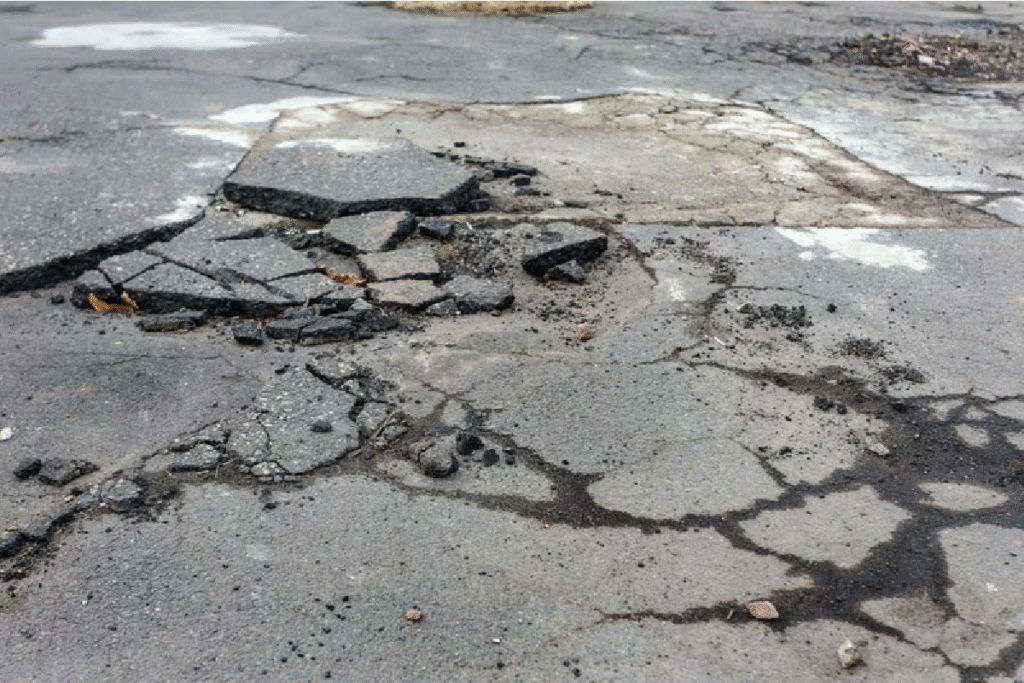
Cracking is the most obvious signal that your pavement is in distress. Hairline cracks may not seem like a big deal, but they allow water and debris to seep below the surface, eroding the base. Alligator cracks—those spider-web looking patterns—indicate structural failure. Edge cracking, often caused by lack of support, can grow rapidly, especially if water drainage is poor.
Another major red flag is standing water. If puddles form after rain and stick around, it means your grading and drainage aren’t doing their job. Water is asphalt’s worst enemy. It softens the subbase, causes frost heave, and promotes pothole formation. Once water gets in, damage accelerates with every freeze-thaw cycle.
Fading color is another sign. When your jet-black pavement starts turning gray, oxidation is taking hold. The asphalt binder loses flexibility, making the surface brittle and more likely to crack under pressure.
Even potholes begin as minor surface issues. They often start from a small crack or a weak spot that wasn’t patched. When left unattended, it becomes a full-on cavity, growing larger with every car that drives over it.
To prevent failure, stay proactive. Conduct seasonal inspections, especially before and after winter. Seal small cracks, regrade uneven surfaces, and sealcoat every few years. Timely maintenance can add 5 to 10 years to your pavement’s life.
Catching early warning signs doesn’t require an engineering degree—just attention and action. A little vigilance goes a long way in protecting your investment.