
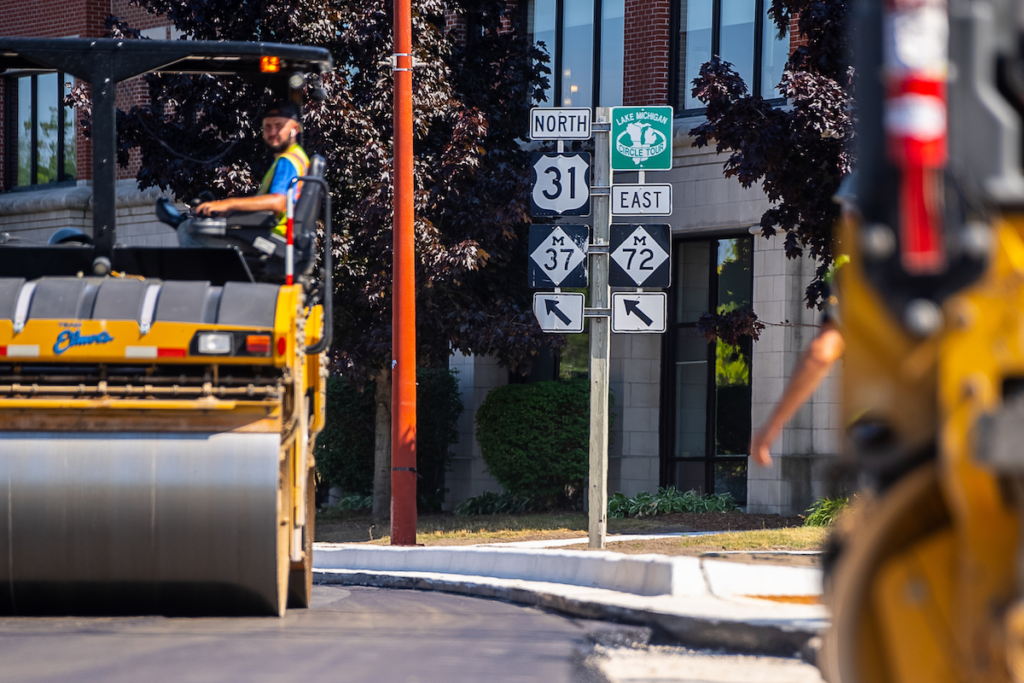
Transforming a City’s Main Artery with Durable Asphalt Paving
Client: City Infrastructure Department, Mid-Sized Metropolitan Area
Project Duration: 9 Months
Scope: 14 km of main roadway resurfacing and structural rehabilitation
Background
The city’s central business district had been struggling with deteriorating roads for years. The main avenue—used daily by over 65,000 vehicles—was plagued with potholes, uneven patches, and drainage issues. These problems weren’t just inconvenient; they were impacting traffic efficiency, public safety, and the local economy.
With complaints mounting from both residents and logistics companies, the municipality decided it was time for a full-scale resurfacing project. Asphalt was chosen for its balance of cost-efficiency, longevity, and ease of maintenance.
Challenges
- Heavy Traffic Flow – Road closure was not an option. The project had to be completed in stages to keep lanes open.
- Drainage Failures – Existing stormwater systems were outdated, leading to water pooling and early surface wear.
- Temperature Extremes – The area experienced both scorching summers and heavy monsoon rains, requiring a mix resistant to rutting and moisture damage.
Approach
The project team adopted a phased construction strategy to maintain continuous traffic movement. Work was carried out during off-peak hours and weekends. The following steps were implemented:
- Surface Milling & Recycling – The damaged asphalt layer was milled, and 40% of the reclaimed asphalt pavement (RAP) was reused in the new mix, reducing costs and environmental impact.
- Upgraded Base Layer – A stronger, polymer-modified binder course was laid to improve load-bearing capacity.
- Improved Drainage – Permeable asphalt sections and upgraded stormwater inlets were installed to prevent water accumulation.
- High-Performance Mix – A Superpave asphalt mix was used for its superior resistance to rutting and cracking under extreme conditions.
Results
- Extended Lifespan – Projected service life increased from 7 to 15 years before major maintenance.
- Reduced Complaints – Post-completion reports showed a 92% drop in road-related complaints.
- Lower Maintenance Costs – Expected annual maintenance costs dropped by 35% due to the improved mix and drainage.
- Smoother Ride Quality – Road smoothness index improved by 48%, resulting in better fuel efficiency for vehicles.
Impact
This project not only restored the roadway’s structural integrity but also boosted economic activity in the area. Logistics companies reported faster delivery times, while local businesses saw increased foot traffic due to improved accessibility.
The use of recycled asphalt also saved approximately 2,800 tons of virgin aggregate and reduced CO₂ emissions by 350 tons—making it a win for both the city and the environment.