
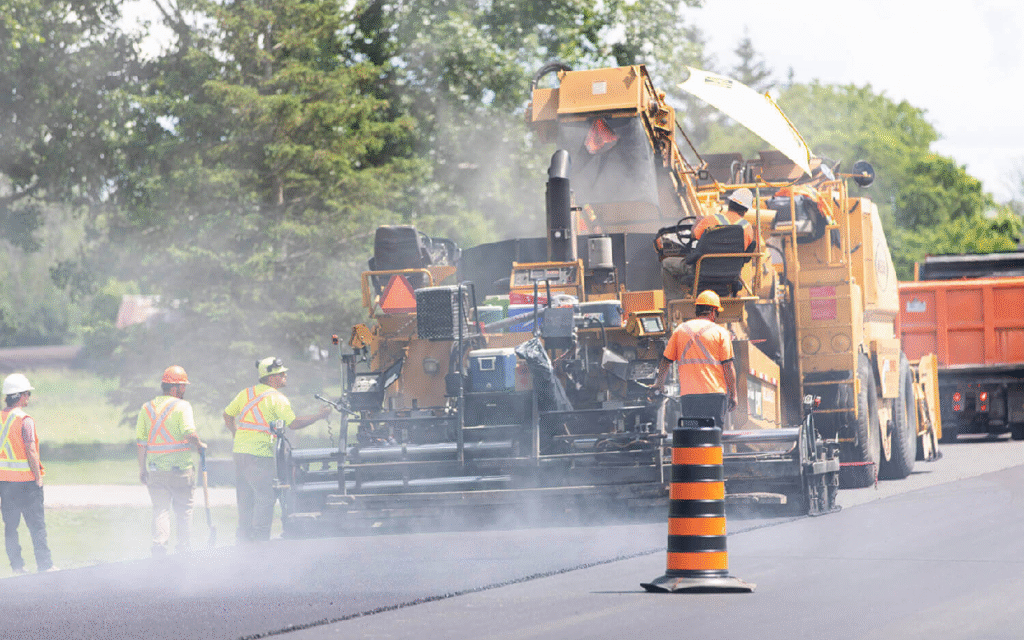
The Role of Asphalt in Urban Infrastructure Development
Building the Backbone of Modern Cities
Urban infrastructure is more than just buildings and utilities—it’s the invisible framework that keeps everything moving. And at the heart of this framework? Asphalt.
From the roads that connect neighborhoods to the runways, bike lanes, and transit systems that drive economies, asphalt is the unsung hero of city life. In 2025, as cities grow smarter and more sustainable, asphalt’s role is not just foundational—it’s transformational.
Let’s explore how asphalt fuels urban development, and why it remains the top choice for governments, planners, and engineers worldwide.
Why Asphalt Is Still the Top Choice for Cities
Despite the rise of alternative materials, asphalt continues to dominate for several key reasons:
- Speed of construction: Urban environments require fast turnaround. Asphalt roads can be paved and opened within days.
- Cost-effectiveness: It’s significantly cheaper than concrete—both upfront and in maintenance.
- Recyclability: Asphalt is the most recycled material in the U.S., making it an eco-friendly option for green city planning.
- Flexibility and performance: Urban traffic patterns vary. Asphalt can be designed for high-stress intersections or low-traffic alleyways.
Cities today don’t just want roads—they want resilient, adaptable infrastructure, and asphalt delivers.
Key Applications in Urban Planning
1. Roadways and Streets
Urban roads are constantly evolving—widened, repaved, reconfigured for safety. Asphalt’s quick installation and repair make it ideal for minimizing traffic disruptions.
Fun fact: Over 90% of paved roads in the U.S. are asphalt-based.
2. Public Transit and BRT Corridors
Bus rapid transit (BRT) systems and dedicated bus lanes rely on durable surfaces that can withstand constant braking, turning, and idling. High-performance asphalt mixes are tailored for this kind of load and heat exposure.
3. Airport Runways and Taxiways
Urban airports need smooth, flexible surfaces that resist jet fuel spills and heavy loads. Asphalt’s shock-absorbing properties make it perfect for runway systems in dense metro areas.
4. Bike and Pedestrian Paths
City planners are investing more in active transportation. Asphalt paths offer a smooth, safe ride for cyclists, joggers, and skaters—and are easier to adapt to evolving routes.
5. Parking Infrastructure
From downtown garages to shopping center lots, asphalt is the go-to for quick builds and easy striping. In 2025, smart parking surfaces with embedded sensors are increasingly made from modified asphalt blends.
Supporting Sustainable Urban Growth
With cities focusing on climate resilience, asphalt is being reinvented to meet the challenge:
- Warm Mix Asphalt (WMA) reduces emissions during paving.
- Permeable asphalt helps manage stormwater and reduce flooding.
- High-RAP-content mixes reuse old asphalt, reducing landfill use and raw material demand.
- Carbon-neutral production is emerging through the use of plant-based binders and renewable energy.
Urban sustainability goals are driving innovation in how asphalt is made, laid, and reused.
Enhancing Urban Safety and Accessibility
Asphalt supports safe, inclusive cities through:
- Skid-resistant surfaces to reduce road accidents
- High-contrast markings for lanes, crosswalks, and bus stops
- Tactile paving options for visually impaired pedestrians
- Noise-reducing asphalt for quieter residential zones
These features aren’t just good for performance—they improve livability, a major metric in modern urban planning.
Smart Cities and Asphalt’s Evolving Role
Today’s cities are becoming connected ecosystems—and asphalt is playing a bigger tech role than ever before:
- Smart roads with embedded sensors track traffic flow, surface temperature, and stress levels.
- Solar asphalt is being piloted in Europe and Asia to generate clean energy from roadways.
- Dynamic signage and road paint integrated with AI platforms adjust traffic signals based on surface data.
The future of city infrastructure isn’t concrete—it’s intelligent asphalt.
Investing in Asphalt Is Investing in Urban Prosperity
As urbanization accelerates, city leaders are looking for infrastructure solutions that are:
- Fast to deploy
- Budget-friendly
- Green and circular
- Built for multi-use mobility
Asphalt checks every box.
Whether it’s a major highway leading into downtown or a newly built walking trail through a revitalized neighborhood, asphalt is a strategic tool in creating connected, livable, future-ready cities.