
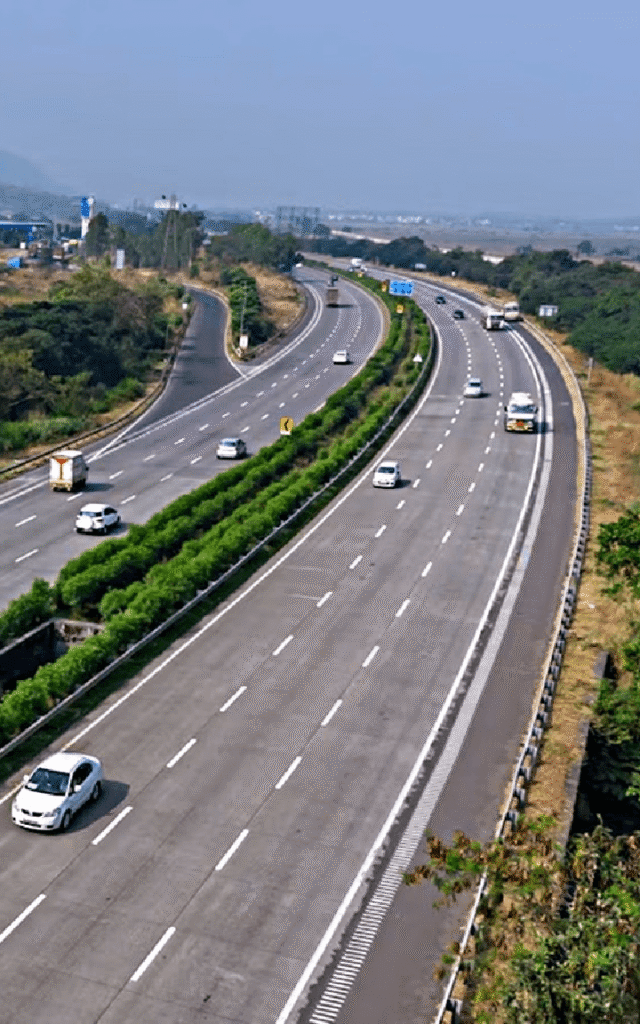
The Role of Asphalt in Green Infrastructure
You might not think of asphalt as a green building material—but in 2025, it’s playing a key role in sustainable infrastructure. Thanks to evolving technology and smart design, asphalt is helping cities meet their environmental goals while still delivering performance, durability, and cost-efficiency.
First, let’s talk recyclability. Asphalt is the most recycled construction material in the United States. Over 90% of old asphalt is reused in new pavement, reducing the demand for virgin materials and minimizing landfill waste. This process also lowers the carbon footprint of new paving projects.
Then there’s Warm Mix Asphalt (WMA), a technology that allows asphalt to be produced and applied at lower temperatures. WMA cuts greenhouse gas emissions by up to 40% and reduces energy consumption, making it safer for workers and better for the planet.
Another green innovation is porous asphalt. Unlike traditional pavement, porous asphalt allows rainwater to filter through the surface and into the ground below. This helps prevent runoff, replenish groundwater, and reduce the strain on stormwater systems. In urban areas where flooding and pollution are growing concerns, porous pavement is a game-changer.
Cool pavements are also gaining traction. Asphalt surfaces coated with reflective materials help reduce the heat island effect in cities by lowering surface temperatures. This not only improves comfort for pedestrians and cyclists but also reduces the need for air conditioning in nearby buildings.
Green infrastructure isn’t just about what’s on the surface—it’s about how that surface fits into the larger ecosystem. Asphalt trails, bike lanes, and walking paths connect communities to nature, encouraging eco-friendly transportation and healthier lifestyles.
Today’s asphalt also supports electric vehicle infrastructure. EV charging stations, often built in parking lots or curbsides, rely on stable, durable surfaces. Asphalt’s flexibility and speed of installation make it ideal for adapting to this new energy landscape. Sustainability is no longer a niche concern—it’s a requirement. And asphalt, with its adaptability and proven performance, is rising to the challenge. Whether you’re building roads, parks, or neighborhoods, you don’t have to choose between green and good. With asphalt, you get both.