
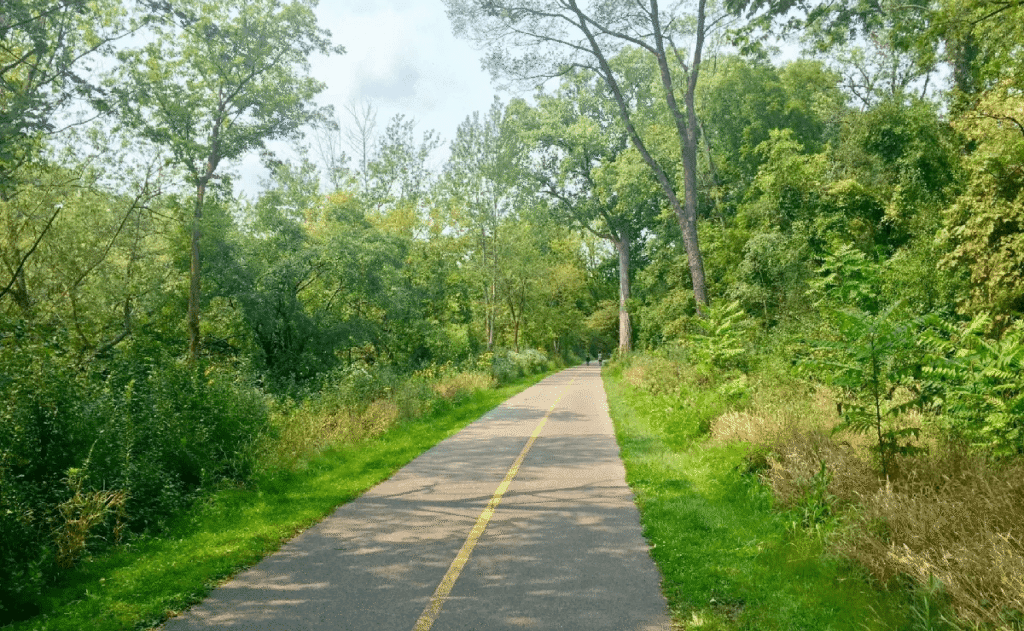
Asphalt for Bike Paths, Trails, and Greenways
As more cities and communities embrace walkability and outdoor living, the demand for high-quality bike paths and trails is rising. Asphalt, with its smooth texture, cost-efficiency, and adaptability, is the surface of choice for these projects.
What makes asphalt ideal for recreational paths is its smoothness. Cyclists, joggers, skaters, and walkers benefit from a surface that’s gentle on joints and wheels. Unlike gravel or concrete, asphalt offers low resistance, which means better performance and less fatigue.
It also allows for seamless curves and transitions—perfect for weaving trails through parks, forests, and urban green zones. Asphalt is flexible, literally and figuratively. It can be customized to match the terrain, blend into the natural surroundings, and serve a wide range of users.
Installation is fast, which matters when building trails through active communities or shared spaces. And once it’s in place, maintenance is relatively low. Regular sealcoating and crack repair will keep the surface safe and attractive for years.
In addition, asphalt’s recyclability means trails can be built using repurposed materials, lowering environmental impact and costs. New mixes in 2025 even include additives like bio-oils and recycled plastics for greater sustainability.
Whether you’re building a city greenway or a quiet forest path, asphalt delivers a reliable surface that brings people closer to nature—and to each other.