
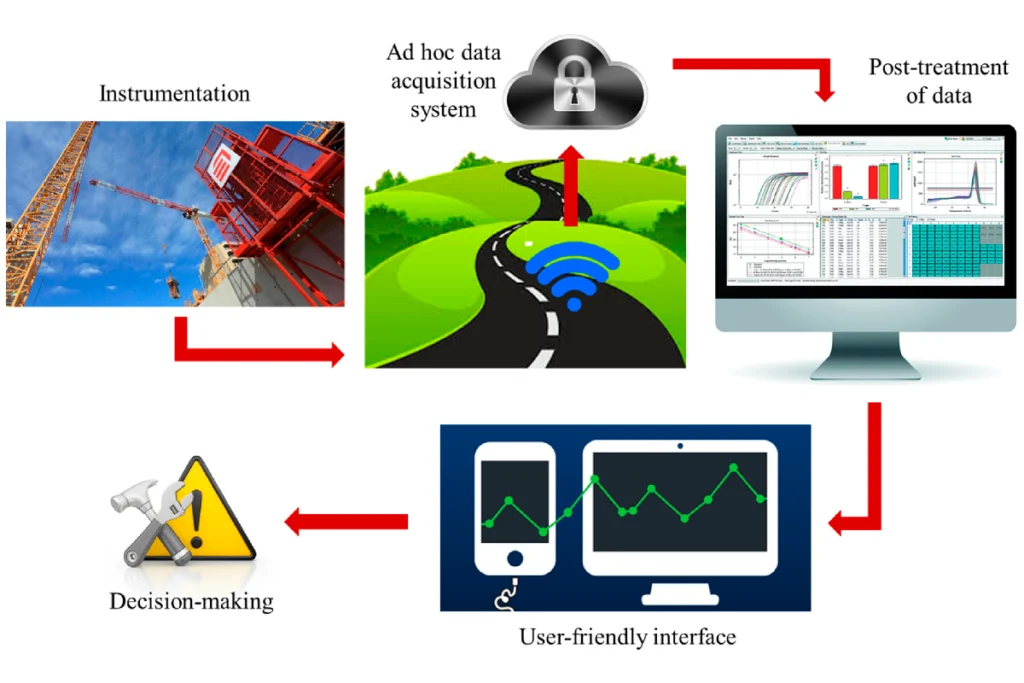
Asphalt Pavement Performance Monitoring and Evaluation
Asphalt pavements are critical to transportation infrastructure, supporting millions of vehicles daily. Over time, pavements experience wear and tear due to traffic, weather, and material aging. To ensure longevity, safety, and cost-efficiency, performance monitoring and evaluation are essential.
This white paper explores methods, technologies, and best practices for monitoring and evaluating asphalt pavement performance, helping engineers and municipalities maintain durable and safe roadways.
Importance of Pavement Performance Monitoring
Monitoring pavement performance enables:
- Early Detection of Distress – Identifying issues such as cracking, rutting, or potholes before they escalate.
- Optimized Maintenance – Data-driven decisions help prioritize repair and maintenance efforts.
- Cost Savings – Preventive maintenance reduces expensive reconstruction.
- Safety Improvement – Well-maintained pavements minimize accident risks.
- Sustainability – Extends pavement life and reduces resource consumption.
Key Performance Indicators (KPIs)
Effective monitoring requires tracking quantitative and qualitative indicators, including:
- Roughness – Measures ride quality using the International Roughness Index (IRI).
- Cracking – Types, severity, and distribution of cracks.
- Rutting – Depth and extent of wheel path depressions.
- Skid Resistance – Surface friction for safe vehicle braking.
- Structural Integrity – Load-bearing capacity and fatigue resistance.
- Surface Texture – Macrotexture and microtexture affecting water drainage and friction.
Methods of Pavement Performance Monitoring
1. Visual Inspections
- Traditional method involving trained personnel examining pavements.
- Identifies surface distress such as cracks, potholes, raveling, and bleeding.
- Benefits: Cost-effective and easy to implement for small networks.
- Limitations: Subjective and time-consuming for large networks.
2. Automated Pavement Condition Surveys
- Use vehicles equipped with cameras, lasers, and sensors.
- Collects high-resolution images and data for objective analysis.
- Software evaluates distress, roughness, rutting, and skid resistance.
- Benefits: Efficient for large networks, consistent results, and digital records for tracking trends.
3. Ground Penetrating Radar (GPR)
- Uses radar waves to assess sub-surface conditions.
- Detects voids, moisture, layer thickness, and structural weaknesses.
- Helps in preventive maintenance planning and rehabilitation decisions.
4. Falling Weight Deflectometer (FWD) Testing
- Measures pavement structural capacity by applying load and recording deflection.
- Determines if the pavement can handle traffic without failure.
- Critical for evaluating rehabilitation or overlay requirements.
5. Infrared Thermography
- Detects temperature variations on the asphalt surface to identify moisture, delamination, and voids.
- Useful for quality control during construction and monitoring existing pavements.
Performance Evaluation Techniques
- Condition Rating Systems
- Assign scores to pavements based on distress type, severity, and extent.
- Common methods: Pavement Condition Index (PCI) and Road Condition Rating (RCR).
- Trend Analysis
- Tracks pavement performance over time to predict deterioration rates.
- Helps prioritize maintenance activities for roads nearing critical thresholds.
- Life-Cycle Cost Analysis (LCCA)
- Evaluates cost-effectiveness of maintenance, rehabilitation, and reconstruction strategies.
- Includes initial costs, maintenance costs, and user costs due to traffic delays.
- Performance Modeling
- Uses software simulations to predict pavement behavior under traffic loads and environmental conditions.
- Helps optimize mix design, layer thickness, and maintenance schedules.
Benefits of Performance Monitoring
- Early Intervention – Minor distresses can be fixed before major structural failure occurs.
- Resource Optimization – Prioritizes maintenance spending where it’s needed most.
- Extended Pavement Life – Proper evaluation ensures timely overlays and repairs.
- Enhanced Safety – Pavements remain smooth, skid-resistant, and structurally sound.
- Data-Driven Decision Making – Eliminates guesswork, enabling strategic long-term planning.
Case Studies
United States – California
- Implemented automated pavement condition surveys and FWD testing on highways.
- Result: Prioritized maintenance actions reduced costs by 25% and extended pavement life by 7 years.
Europe – Germany
- Used GPR and infrared thermography to monitor urban road networks.
- Result: Early detection of moisture and subgrade issues prevented extensive repairs and traffic disruption.
Asia – India
- Integrated PCI-based condition rating and trend analysis for major city roads.
- Result: Efficient allocation of maintenance budgets and improved road safety.
Conclusion
Asphalt pavement performance monitoring and evaluation are vital for maintaining safe, durable, and cost-effective roads. By combining traditional inspections with modern technologies, road authorities can detect issues early, plan maintenance efficiently, and extend pavement life.
Data-driven monitoring not only improves the economic efficiency of road networks but also ensures safer and smoother driving experiences. As urbanization increases and traffic volumes grow, implementing systematic performance evaluation strategies will be critical for sustainable and resilient infrastructure.