
Asphalt Pavement Distress Identification and Solutions
Asphalt pavements are a cornerstone of modern transportation, but over time, they are prone to distress caused by traffic loads, weather, and material degradation. Early identification and timely repair of pavement distress are essential to extend road life, reduce costs, and ensure safety.
This white paper explores the types of asphalt pavement distress, their causes, and practical solutions for maintaining durable and safe roads.
Understanding Asphalt Pavement Distress
Pavement distress refers to visible signs of deterioration on asphalt surfaces. These signs indicate structural or surface weaknesses that, if ignored, can lead to significant damage. Distress is broadly categorized into surface, structural, and environmental types.
1. Surface Distress
Surface distress affects the top asphalt layer and includes:
- Cracking – Linear breaks on the pavement surface caused by thermal stress, aging, or traffic loads. Types include:
- Alligator Cracking – Interconnected cracks forming a pattern resembling alligator skin; indicates structural failure.
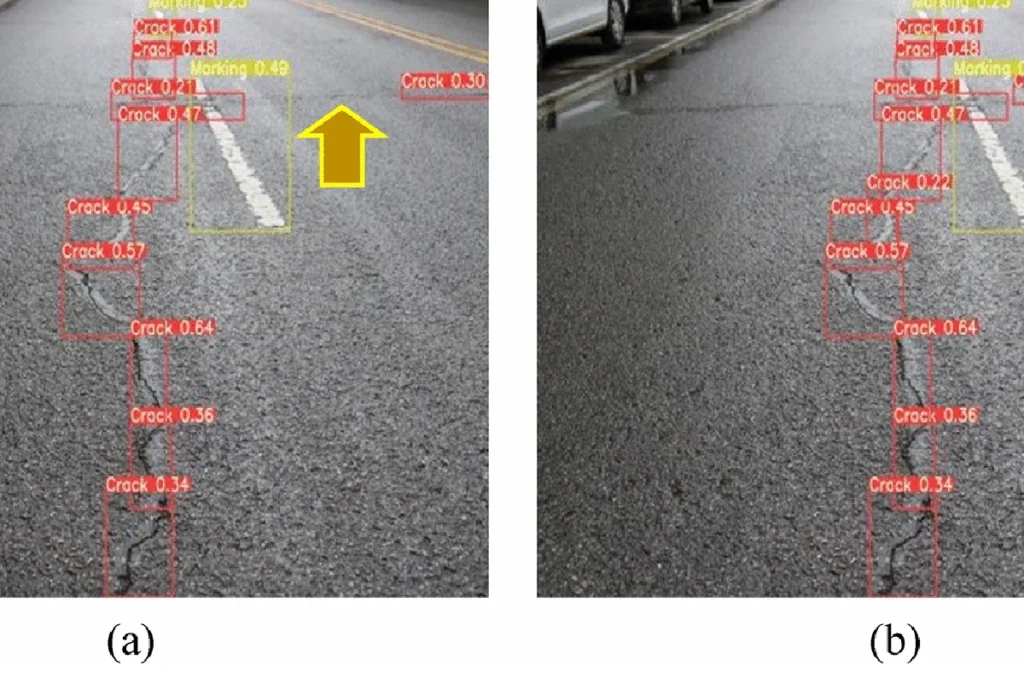
- Longitudinal Cracking – Cracks parallel to traffic lanes, often due to joint settlement or reflective cracking.
- Transverse Cracking – Cracks perpendicular to traffic direction caused by temperature changes.
- Raveling – Loss of aggregate particles from the asphalt surface, often due to oxidation, poor compaction, or traffic wear.
- Bleeding – Excess asphalt binder rises to the surface, creating a sticky, shiny surface that can reduce skid resistance.
2. Structural Distress
Structural distress affects the pavement’s ability to carry loads:
- Potholes – Bowl-shaped holes formed when underlying pavement weakens and collapses under traffic.
- Depressions and Rutting – Low spots or grooves along wheel paths caused by asphalt deformation under heavy loads.
- Shoving – Lateral displacement of pavement under traffic, often near intersections or curves.
3. Environmental Distress
Environmental factors accelerate pavement deterioration:
- Freeze-Thaw Damage – Water penetrates cracks, freezes, and expands, causing cracking and spalling.
- Oxidation – Exposure to sunlight and air makes asphalt brittle, leading to cracking and raveling.
- Moisture Damage – Water infiltration weakens the base and subgrade, resulting in structural failures.
Causes of Asphalt Pavement Distress
- Traffic Loads
- Heavy vehicles, high traffic volumes, and improper axle loads accelerate cracking, rutting, and pothole formation.
- Poor Construction Practices
- Inadequate compaction, incorrect mix design, or weak base layers lead to premature distress.
- Material Quality
- Low-quality asphalt binders or aggregates reduce durability and increase susceptibility to surface and structural damage.
- Climate and Weather
- Extreme heat, freezing temperatures, rainfall, and UV exposure contribute to distress.
- Aging and Oxidation
- Over time, asphalt hardens and loses elasticity, increasing the likelihood of cracking.
Solutions and Repair Techniques
Timely repair strategies depend on the type and severity of distress.
1. Crack Treatment
- Crack Sealing – Fills cracks with hot or cold sealant to prevent water infiltration and further deterioration.
- Crack Filling – Similar to sealing but used for less active cracks.
2. Surface Treatments
- Sealcoating – Applies a protective layer to prevent oxidation, UV damage, and minor surface cracks.
- Slurry Seal and Micro-Surfacing – Restores smoothness, improves skid resistance, and seals minor cracks.
3. Pothole Repair
- Cold Patch – Quick repair using ready-mix cold asphalt for small potholes.
- Hot Mix Asphalt – Permanent repair with proper compaction and bonding.
- Infrared Asphalt Repair – Heats damaged area for seamless patching without new material.
4. Overlay and Mill-and-Overlay
- Adds a new asphalt layer on top of the existing pavement.
- Addresses rutting, cracks, and surface wear.
- Effective for medium distress without full reconstruction.
5. Full-Depth Reclamation (FDR)
- Pulverizes and reuses existing pavement and base material for a new asphalt layer.
- Ideal for severe structural distress and roads nearing the end of their service life.
Preventive Measures
Preventive measures reduce the risk of distress and extend pavement life:
- Regular Inspections – Identify minor cracks, rutting, or drainage issues early.
- Drainage Management – Ensures water does not penetrate the pavement or base layers.
- Quality Materials – High-quality asphalt binders and aggregates resist distress.
- Traffic Management – Restrict heavy vehicles or implement load limits where necessary.
Case Studies
United States – New York
- Urban roads experienced severe alligator cracking and potholes due to aging and heavy traffic.
- Preventive maintenance with crack sealing, sealcoating, and localized overlays extended road life by 6 years.
Europe – Germany
- Highways with rutting and longitudinal cracks were treated using mill-and-overlay with polymer-modified asphalt.
- Result: Improved skid resistance and structural performance, reducing maintenance frequency.
Asia – India
- Pothole-prone city streets were repaired using infrared asphalt and cold patches, enabling rapid reopening and minimized traffic disruption.
Conclusion
Identifying and addressing asphalt pavement distress early is critical for safe, durable, and cost-effective roads. By understanding the types of distress, their causes, and the most effective repair techniques, municipalities, contractors, and property owners can extend pavement life, reduce maintenance costs, and enhance road safety.
Preventive maintenance, timely corrective action, and modern repair technologies ensure that asphalt pavements perform reliably under traffic loads and environmental stresses, creating safer and more sustainable road networks.