
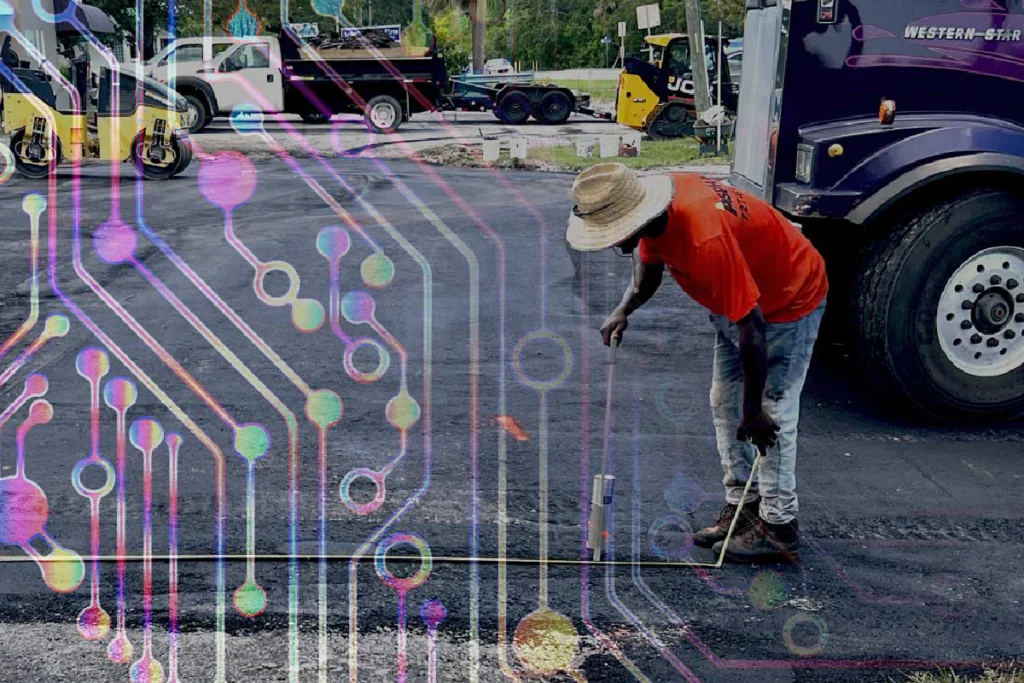
Innovations in Asphalt Pavement Materials
Asphalt has long been the backbone of roadway construction, prized for its flexibility, smooth surface, and cost-effectiveness. However, traditional asphalt faces challenges from increasing traffic loads, extreme weather, and environmental concerns. To address these issues, the asphalt industry is rapidly evolving with innovative materials and technologies that improve performance, longevity, and sustainability.
This white paper explores the latest innovations in asphalt pavement materials, their benefits, applications, and how they are shaping the future of road construction.
Why Material Innovation Matters
Pavement materials significantly influence:
- Durability – The ability of a road to withstand traffic and environmental stress.
- Maintenance Costs – Better materials reduce repair frequency and costs.
- Environmental Impact – Sustainable materials lower carbon footprint and reduce waste.
- Safety and Comfort – Advanced materials improve skid resistance, reduce noise, and enhance ride quality.
With rising traffic volumes, especially heavy trucks, and extreme weather events due to climate change, traditional asphalt mixes are no longer enough. Innovation ensures roads last longer, require less maintenance, and perform better under demanding conditions.
Key Innovations in Asphalt Materials
1. Polymer-Modified Asphalt (PMA)
Polymers are added to traditional asphalt to improve elasticity, strength, and resistance to deformation. Benefits include:
- Enhanced rutting resistance – Ideal for highways and heavy traffic roads.
- Improved crack resistance – Prevents fatigue and thermal cracking.
- Extended lifespan – Can increase road life by 5–10 years.
Applications: Highways, airports, industrial roads, and urban arterial roads.
2. Rubberized Asphalt
Recycled tires are incorporated into asphalt mixes to create rubberized asphalt. Advantages include:
- Environmental benefits – Diverts millions of tires from landfills.
- Noise reduction – Quieter road surfaces compared to traditional asphalt.
- Improved skid resistance – Enhances road safety.
- Durability – Reduces cracking and rutting.
Applications: Urban streets, highways, and sound-sensitive areas near schools and hospitals.
3. Warm Mix Asphalt (WMA)
Unlike conventional hot mix asphalt, WMA is produced and laid at lower temperatures, typically 30–50°C lower. Benefits:
- Reduced energy consumption – Saves fuel during production.
- Lower greenhouse gas emissions – Supports sustainable construction goals.
- Longer hauling distance – Easier transportation to distant sites without cooling issues.
Applications: Urban projects, eco-friendly highways, and cold-weather regions.
4. Recycled Asphalt Pavement (RAP)
RAP involves milling old asphalt and reusing it in new pavements. Key benefits:
- Cost savings – Reduces the need for virgin materials.
- Environmental sustainability – Less material extraction and landfill use.
- Performance – Modern mix designs maintain structural integrity.
Applications: Secondary roads, parking lots, and large-scale highway resurfacing projects.
5. Stone Matrix Asphalt (SMA)
SMA uses a dense aggregate structure with a high asphalt content for superior performance. Advantages include:
- High rut resistance – Excellent for highways and truck-heavy routes.
- Durable under heavy loads – Resists deformation and cracking.
- Smooth, skid-resistant surface – Enhances driver safety.
Applications: Expressways, industrial access roads, and high-load corridors.
6. Self-Healing Asphalt
Self-healing asphalt incorporates materials like steel fibers or rejuvenator capsules that react to heat or microwaves to repair micro-cracks automatically. Benefits:
- Extends pavement life – Reduces the need for frequent repairs.
- Minimizes traffic disruption – Fewer lane closures for maintenance.
- Cost-effective over lifecycle – Less material replacement required.
Applications: Highways, airports, and urban roads with heavy traffic.
7. Permeable Asphalt Pavements
Permeable asphalt allows water to pass through the surface, reducing runoff and improving drainage. Advantages include:
- Flood prevention – Reduces ponding on urban streets.
- Environmental benefits – Supports groundwater recharge.
- Improved safety – Reduces hydroplaning risk.
Applications: Parking lots, residential streets, bike paths, and urban drainage-sensitive areas.
8. Bio-Binders and Green Asphalt
Researchers are developing asphalt binders from bio-based materials like vegetable oils, algae, and lignin. Benefits:
- Reduced reliance on petroleum – Lowers carbon footprint.
- Renewable resources – Sustainable material sourcing.
- Improved flexibility – Bio-binders can enhance durability in certain climates.
Applications: Pilot projects in eco-conscious cities, green highways, and environmentally sensitive regions.
Advantages of Innovative Asphalt Materials
- Longevity and Durability
Advanced asphalt mixes resist rutting, cracking, and fatigue, extending pavement life by up to 50% in some cases. - Cost-Effectiveness
Though some innovations increase initial costs, lifecycle savings from reduced maintenance and rehabilitation often outweigh upfront expenses. - Environmental Sustainability
Use of RAP, WMA, rubber, and bio-binders reduces greenhouse gas emissions, energy use, and waste production. - Safety and Comfort
Smooth, skid-resistant surfaces and reduced noise enhance driver experience and community well-being. - Adaptability
Innovations allow asphalt to perform in extreme climates, high traffic areas, and heavy-load zones, which traditional mixes may struggle with.
Case Studies
- United States – Highways using rubberized asphalt have reported longer lifespans and quieter surfaces in urban areas.
- Europe – SMA and polymer-modified asphalt have been widely used on highways to resist rutting and heavy truck traffic.
- Asia – WMA projects in China and India have successfully reduced emissions and energy consumption while maintaining performance.
- Netherlands – Pilot projects with bio-binders are exploring renewable alternatives to petroleum-based asphalt.
These examples show that innovation is both practical and scalable across regions and climates.
Asphalt Pavement Design for Extreme Climates
Asphalt pavements are a crucial component of modern transportation infrastructure, connecting cities, industries, and communities. However, designing asphalt roads that can withstand extreme climates—from scorching heat to freezing winters—is a complex challenge. Improper design can lead to premature deterioration, high maintenance costs, and unsafe driving conditions.
This white paper explores strategies for designing asphalt pavements that perform in extreme climates, including material selection, construction techniques, and maintenance practices.
Understanding the Challenges of Extreme Climates
Extreme climates affect asphalt pavements in two primary ways:
- High Temperatures (Hot Climates)
- Asphalt can soften and deform under prolonged heat.
- Heavy traffic causes rutting, where wheel paths form depressions in the pavement.
- Oxidation from heat can brittle the asphalt, leading to cracking.
- Low Temperatures (Cold Climates)
- Water trapped in cracks freezes and expands, causing freeze-thaw cracking.
- Asphalt becomes brittle, leading to fatigue cracks.
- Snow and ice removal operations can accelerate surface deterioration.
Effective design must address these environmental stresses while maintaining safety and durability.
Material Selection for Extreme Climates
1. Polymer-Modified Asphalt (PMA)
- PMA incorporates polymers into asphalt to improve elasticity and strength.
- In hot climates, it resists rutting.
- In cold climates, it maintains flexibility, reducing crack formation.
- Ideal for highways, airports, and high-traffic urban roads.
2. Rubberized Asphalt
- Adds recycled rubber from tires into the asphalt mix.
- Improves temperature resistance, reduces noise, and increases skid resistance.
- Excellent for urban streets and high-load areas in both hot and cold regions.
3. Warm Mix Asphalt (WMA)
- Produced at lower temperatures than conventional asphalt.
- Reduces oxidation during mixing, which helps maintain binder flexibility.
- Suitable for cold climates where brittleness is a concern.
4. High-Performance Asphalt Binders
- Specialty binders are engineered to resist rutting, cracking, and fatigue in extreme temperatures.
- Can be blended with polymers, fibers, or additives for region-specific performance.
Pavement Design Considerations
1. Layer Thickness
- Hot climates: Thicker asphalt layers help distribute traffic loads and reduce rutting.
- Cold climates: Proper base and subbase design prevent frost heave and cracking.
2. Aggregate Selection
- Strong, angular aggregates improve rutting resistance in heat.
- Aggregates with low water absorption reduce freeze-thaw damage in cold regions.
3. Surface Texture
- Textured surfaces improve skid resistance, particularly in wet or icy conditions.
- Smooth surfaces reduce heat absorption but may require additional friction treatments in cold climates.
4. Drainage Design
- Efficient drainage prevents water from penetrating the pavement, reducing freeze-thaw damage and erosion.
- Incorporating permeable layers can improve water management in both hot and cold climates.
Construction Best Practices
- Temperature-Controlled Paving
- Ensure asphalt is laid at optimal temperatures to prevent premature aging.
- Proper Compaction
- Uniform compaction prevents voids that can trap water or weaken the pavement.
- Quality Control
- Testing mix design, binder properties, and layer thickness ensures long-term performance.
- Seasonal Considerations
- Cold climates: Avoid paving on frozen ground to prevent cracking.
- Hot climates: Schedule paving during cooler hours to reduce rutting risk.
Maintenance Strategies for Extreme Climates
Even well-designed pavements require ongoing maintenance:
Hot Climate Maintenance
- Surface treatments like chip seals or micro-surfacing protect against oxidation.
- Regular inspection of rutting or bleeding areas.
- Timely crack sealing to prevent water infiltration during rainy seasons.
Cold Climate Maintenance
- Crack sealing before freeze-thaw cycles.
- Snow and ice removal using abrasive materials instead of excessive de-icing chemicals.
- Overlay or resurfacing when fatigue cracking appears.
Case Studies
Hot Climate Example – Arizona, USA
- High-temperature highways were designed using polymer-modified asphalt and thick layers.
- Result: Minimal rutting despite heavy truck traffic and temperatures exceeding 45°C.
Cold Climate Example – Alberta, Canada
- Asphalt roads used high-performance binders, proper drainage, and rubberized asphalt.
- Result: Reduced freeze-thaw cracking and extended pavement life beyond 20 years.
Economic Considerations
Investing in climate-appropriate asphalt designs is economically beneficial:
- Reduces frequent repairs and reconstruction costs.
- Minimizes traffic disruptions and associated economic losses.
- Extends the overall lifespan of the road by 30–50% depending on climate adaptation measures.
Lifecycle Cost Analysis (LCCA) shows that spending 10–20% more on high-quality materials and design upfront can save several times that amount over the pavement’s lifespan.
Conclusion
Designing asphalt pavements for extreme climates requires a combination of advanced materials, precise engineering, and proactive maintenance. Hot climates demand rut-resistant, flexible asphalt mixes, while cold climates require pavements that withstand freeze-thaw cycles and maintain flexibility.
By selecting the right materials, optimizing layer design, and following best construction practices, cities and transportation authorities can build roads that last longer, cost less to maintain, and provide safer driving conditions.
Extreme climates are no longer a barrier to durable asphalt pavements. With modern innovations and thoughtful design, asphalt roads can thrive in the hottest deserts and the coldest regions, ensuring reliable infrastructure for decades.