
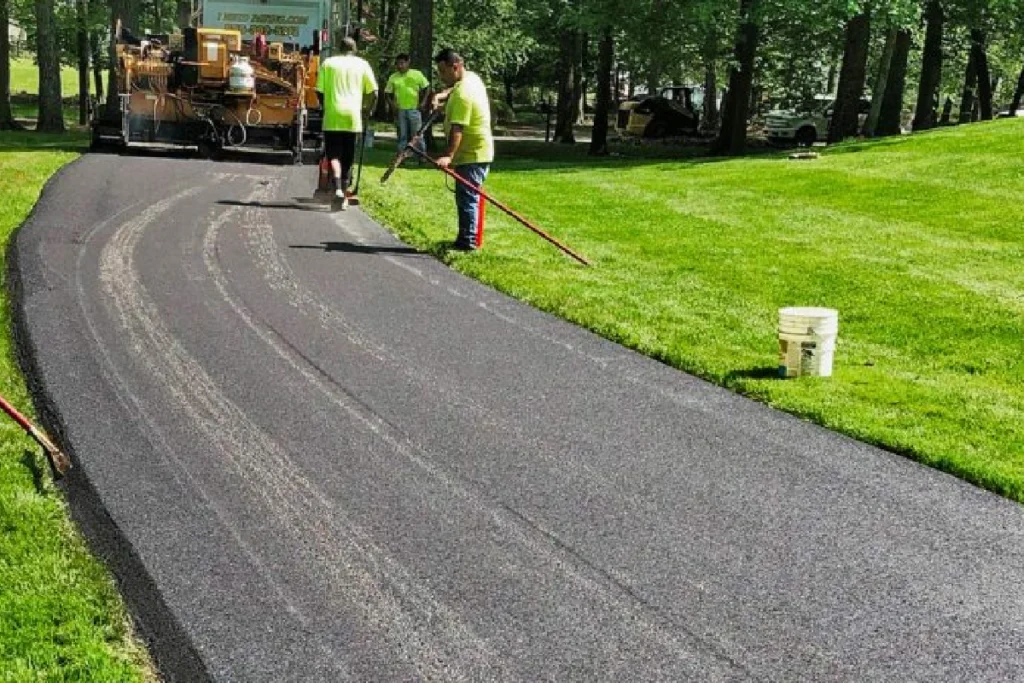
How to Maintain Asphalt Roads: Preventive Measures to Extend Life
Introduction
Asphalt roads are everywhere — from highways and city streets to rural driveways. They are popular because they’re smooth, flexible, and relatively cost-effective to build. But like any infrastructure, asphalt roads don’t last forever. Weather, traffic, and time eventually cause cracks, potholes, and surface wear.
The good news is that proper maintenance can extend the life of asphalt roads by 10 to 15 years or more. Preventive measures not only save money but also reduce accidents, improve driving comfort, and cut down on major reconstruction projects.
In this white paper, we’ll explain how asphalt roads can be maintained effectively using simple preventive steps.
Why Maintenance Matters
Neglecting maintenance is one of the costliest mistakes. According to studies, every $1 spent on timely maintenance saves $4–10 in major repairs later. A road left unchecked for just a few years can deteriorate so much that resurfacing or reconstruction becomes the only option.
Regular maintenance:
- Slows deterioration from water, sun, and traffic.
- Prevents safety hazards like potholes and uneven surfaces.
- Improves ride quality for vehicles.
- Reduces lifecycle costs for governments and property owners.
Common Asphalt Problems
To maintain asphalt, you need to recognize the warning signs. Here are the most common distresses:
- Cracking: Caused by heavy loads, temperature swings, or poor drainage.
- Potholes: Form when cracks allow water to seep in, weakening the structure.
- Raveling: Loss of surface aggregate, leaving the pavement rough and unsafe.
- Bleeding: Excess asphalt binder rising to the surface, creating slick patches.
- Rut Formation: Depressions where tires repeatedly travel, often on highways.
Catching these problems early is the key to prevention.
Preventive Maintenance Techniques
Preventive maintenance doesn’t wait for major damage — it addresses small problems before they grow. Some effective strategies include:
1. Crack Sealing
- Uses hot rubberized sealant to fill cracks.
- Prevents water infiltration and stops cracks from spreading.
- Best done during the early life of the pavement.
2. Sealcoating
- Applies a thin protective coating over the asphalt surface.
- Shields against UV rays, water, oil spills, and oxidation.
- Improves road appearance with a fresh, black finish.
- Typically reapplied every 3–5 years.
3. Pothole Patching
- A fast, localized repair for potholes.
- Cold patch is used for temporary fixes; hot mix is better for durability.
- Prevents further road base damage.
4. Overlay and Resurfacing
- Places a new layer of asphalt over the existing surface.
- Restores smoothness and extends road life by up to 15 years.
- More cost-effective than full reconstruction.
5. Slurry Seal and Micro-Surfacing
- Thin protective layers applied to improve skid resistance.
- Useful for residential streets and low-to-medium traffic areas.
Importance of Drainage
Water is the worst enemy of asphalt. Without proper drainage, water seeps into cracks, freezes in cold weather, and causes pavement failure.
Maintenance practices for drainage:
- Regularly clean ditches, drains, and culverts.
- Ensure slopes allow water to run off quickly.
- Prevent vegetation from blocking drainage systems.
Even a well-built road can fail in just a few years if water is not managed.
Load and Traffic Management
Roads are designed for a certain traffic load. Heavy trucks or overloaded vehicles shorten pavement life dramatically. Maintenance includes enforcing weight limits, planning truck routes, and applying traffic-calming measures in sensitive areas.
Scheduled Inspections
A maintenance plan should always include scheduled inspections:
- Annual Visual Inspections: Identify cracks, drainage problems, and early signs of wear.
- Detailed Condition Surveys: Every few years, engineers assess the structural condition.
- Technology-Based Monitoring: Drones, sensors, and pavement management software help detect issues earlier.
These inspections allow agencies to plan repairs before problems become too expensive.
Sustainability and Recycling in Maintenance
Modern maintenance isn’t just about repairs — it’s also about sustainability. Reclaimed Asphalt Pavement (RAP) and Reclaimed Asphalt Shingles (RAS) are commonly reused in overlays and resurfacing. Recycling not only saves money but also reduces landfill waste and lowers carbon emissions.
Case Example: Preventive Maintenance Saves Millions
A U.S. state transportation department compared two highways built at the same time.
- Highway A received regular crack sealing and overlays.
- Highway B was left without preventive care.
After 15 years, Highway A was still in serviceable condition, while Highway B required full reconstruction at nearly three times the cost. This shows how preventive maintenance delivers massive long-term savings.
Best Practices for Asphalt Road Maintenance
- Act Early: Don’t wait until cracks widen into potholes.
- Follow a Schedule: Plan sealcoating, crack sealing, and overlays in cycles.
- Monitor Climate Conditions: Tailor maintenance to hot, cold, or wet environments.
- Use Quality Materials: Cheap sealants and patches often fail quickly.
- Document and Track: Keep records of all maintenance activities.
Conclusion
Maintaining asphalt roads doesn’t have to be complicated. With regular inspections, crack sealing, sealcoating, proper drainage, and timely overlays, a road’s lifespan can be doubled. Preventive maintenance is not just about saving money — it’s about ensuring safer, smoother, and more sustainable roads for communities. By investing early, governments and contractors avoid expensive reconstruction and keep road networks reliable for decades.