
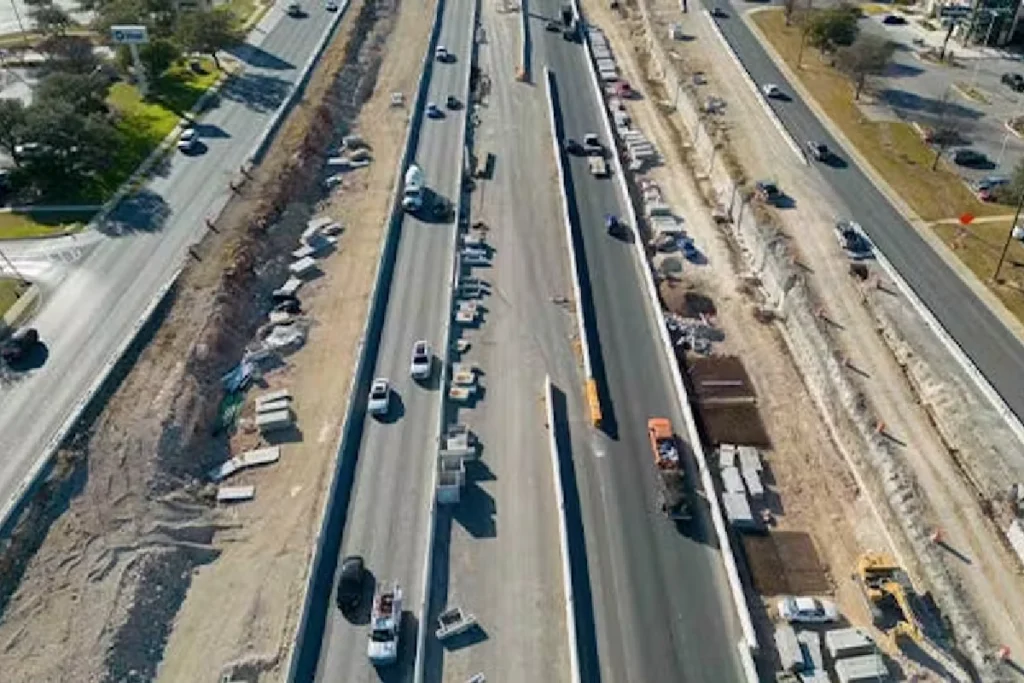
Texas Leads National Road Expansion with Ambitious Interstate 35 Northeast and Loop 1604 Projects
August 2025 is a pivotal month for Texas’ transportation infrastructure as the Texas Department of Transportation (TxDOT) advances two mega-projects: the Interstate 35 Northeast Expansion (NEX) and Loop 1604 North Expansion in San Antonio. These projects represent some of the largest ongoing highway improvements in the United States, reflecting Texas’ efforts to keep pace with rapid population growth and increased freight demands.
The NEX project focuses on widening over 20 miles of Interstate 35, a critical freight corridor linking Mexico with the central United States. This phase includes lane additions, new frontage roads, upgraded interchanges, and bridge rehabilitations. TxDOT’s strategic approach combines extensive night and weekend construction schedules aimed at reducing day-time traffic disruptions, while advanced monitoring systems ensure safety for commuters and workers.
Loop 1604, a major arterial highway encircling San Antonio, is also undergoing substantial upgrades. The project focuses on expanding lane capacity and improving drainage systems to mitigate flooding — a frequent concern during Texas’ rainy season. On-site crews are employing innovative construction methods including prefabricated concrete panels to expedite delivery.
TxDOT has engaged local residents and business stakeholders through ongoing public meetings and digital platforms, updating them on expected lane closures, detour routes, and safety measures. While some drivers experience delays due to temporary nighttime closures, the long-term benefits include reduced congestion, improved traffic flow, and enhanced safety.
With a projected completion date in late 2026, these projects are integral to Texas’ infrastructure vision. They will enable smoother regional connectivity, bolster economic competitiveness by improving freight movement, and promote sustainable development through reduced vehicle emissions from idling traffic. Texas’ investments mirror nationwide trends of prioritizing infrastructure renewal and resilience in response to demographic shifts and increasing transportation demand.