
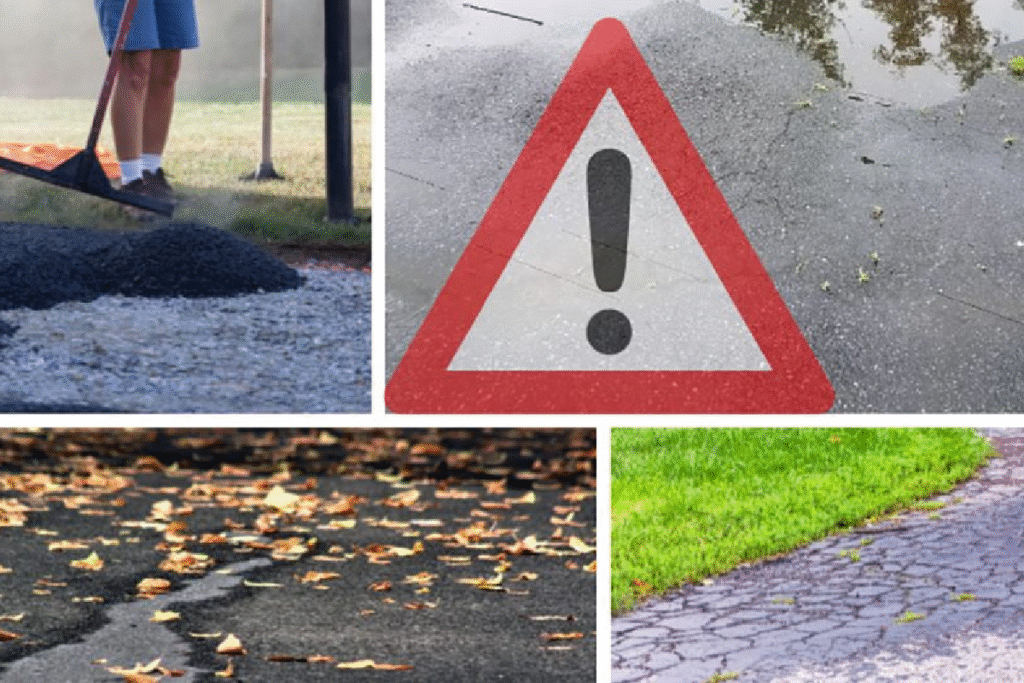
Top Mistakes to Avoid in Asphalt Paving Projects
Not all asphalt jobs are created equal. Even with the best materials, a few common mistakes can shorten pavement lifespan, waste money, and cause major frustration. Avoiding these pitfalls is key to a successful paving project.
One of the biggest mistakes is ignoring the base layer. It’s tempting to focus on the blacktop you can see, but if the subbase is weak or improperly compacted, the whole structure is compromised. Cracks, potholes, and surface sinking soon follow.
Weather matters, too. Asphalt needs the right conditions to cure and bond. Paving in cold, rainy, or humid weather leads to poor compaction and weak adhesion. This results in premature cracking or stripping of the top layer.
Another common issue is drainage—or rather, lack of it. Standing water is enemy number one for asphalt. Without proper slope or a working drainage plan, water seeps into the base, freezes, expands, and breaks the pavement apart.
Then there’s the temptation to cut corners with materials. Using the wrong asphalt mix for your region or load type can drastically reduce lifespan. A residential driveway doesn’t need the same mix as a commercial lot—but the reverse is also true.
And let’s not forget maintenance. Thinking of asphalt as a one-time job leads to avoidable damage. Regular sealing, crack repair, and inspections are what make the difference between a five-year headache and a 20-year asset.
A well-executed asphalt project doesn’t just happen. It’s built on preparation, quality control, and smart decision-making every step of the way.