
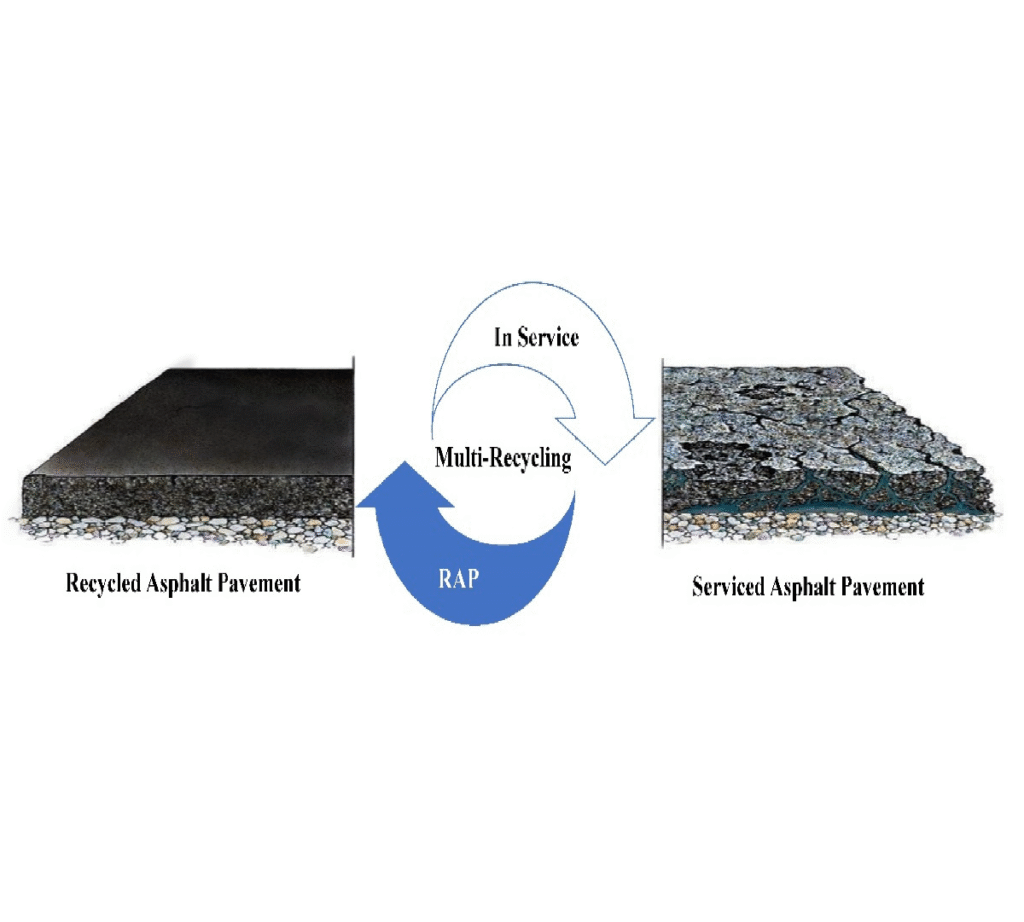
The Benefits of Recycled Asphalt Pavement (RAP) in Modern Construction
Recycling isn’t just for bottles and cans. In the world of construction, Recycled Asphalt Pavement (RAP) is one of the most impactful and widely reused materials—and it’s changing how we build smarter, greener infrastructure.
Here’s why RAP matters more than ever in 2025.
What Is Recycled Asphalt Pavement (RAP)?
RAP is asphalt that has been milled or removed from existing roads, then processed and reused in new asphalt mixes. It typically contains aggregates, bitumen binder, and filler—making it valuable for reuse without compromising performance.
Environmental Benefits
- Reduces landfill waste
- Cuts down on new material extraction
- Lowers greenhouse gas emissions during production
- Decreases demand for virgin bitumen and aggregates
RAP makes road construction significantly more eco-conscious, especially when combined with warm mix asphalt technology.
Cost Savings
Using RAP in asphalt mix reduces:
- Material costs by up to 25–40%
- Transportation expenses
- Energy consumption during mixing and paving
For large-scale municipal or commercial projects, RAP offers major long-term savings.
Performance Benefits
Modern RAP technology isn’t just green—it’s reliable. With proper mix design, recycled asphalt:
- Matches or exceeds virgin asphalt performance
- Offers excellent rut resistance
- Performs well under traffic stress
How Much RAP Can Be Used?
Most mixes today use 15–30% RAP, but advanced tech allows up to 50% or more, depending on local regulations and road use.
Where RAP Is Commonly Used
- Road base layers
- Bike trails and pathways
- Parking lots
- Temporary roadways or shoulders
Final Thought:
Incorporating RAP isn’t just good for the planet—it’s smart business. If you’re managing a construction project in 2025, using recycled asphalt isn’t optional—it’s the new industry standard.